Digital Nomad Visas for Americans: What to Know Before You Apply
Written by Rita Serra | Published Sept 21, 2026
Heads up! This post contains affiliate links, which means I may earn a small commission if you purchase at no extra cost to you. I only recommend what I truly believe in, and your support helps keep this site running and free to access.
When I left the US for Albania, I wasn’t thinking about taxes or residency at all.
I picked Albania because Americans can stay here for a full year with no visa, and I figured I would exit for three months when the year was up, come back, and get another year.
Easy. That was the whole plan. Stay a year, maybe two, figure out the rest as I went. I did not expect to still be here six years later. So I did the exit thing. Year up, leave for three months, come back, another year. I did it again.
And somewhere in the second round, dragging my life in and out of the country, paying rent on an apartment I wasn’t living in for three months at a time, I realized this was not sustainable.
If I was going to actually live here, I needed to stop treating it like a long vacation and apply for residency.
That decision is what taught me everything I’m about to tell you. Applying for Albanian residency didn’t just show me what Albania required.
It sent me down a rabbit hole of what it takes to get residency and digital nomad visas in other countries too, because at one point I genuinely considered leaving for Portugal or Spain. I stayed, and I got my residency here. But I did the research on all of it.
More Americans are leaving the US right now than at any point I can remember, and most of them are starting exactly where I did, with no real plan and a lot of questions. This post is the answer to those questions, all in one place.
How these visas actually work, what they cost, what you have to prove, the tax reality nobody warns you about, and why the person you hire to help matters more than you’d think.
If I figured this out with a one-way ticket and no plan, you can figure it out with a head start.
How Do Digital Nomad Visas Work?
A digital nomad visa lets you live in a country legally while you work remotely for income that comes from outside that country. That last part matters. You’re not taking a local job or competing in the local labor market.
You’re bringing your own income with you, usually from clients or an employer back in the US, and the country is permitting you to live there while you earn it. Most of these visas are temporary residency permits, not work permits and not paths to citizenship.
They typically run one to two years, and many can be renewed if you still qualify. Some countries let that renewal eventually count toward permanent residency. Most don’t, or the path is long and separate.
Assume the visa is exactly what it says it is: permission to live and work remotely for a set period, and treat anything beyond that as a bonus you confirm before you count on it. It’s also worth knowing early that a digital nomad visa is just one way in.
Depending on your situation, work-based residency, family or ancestry, retirement income, or study can be a better fit, and I’ll point to those where they matter.
This post focuses on digital nomad visas because that’s the route most people ask about, but they’re not the only door. The catch is that a digital nomad visa is not the same as showing up as a tourist and staying.
Every country has an income requirement you have to prove, and most want health insurance, a clean background check, and a stack of documents before they’ll approve you. That’s what the next few sections walk through.
How Much Money Do You Need for a Digital Nomad Visa?
Every digital nomad visa has an income requirement, and it’s usually the first thing that decides whether you qualify.
The country wants proof that you earn enough to support yourself without needing local work or local benefits. That’s the whole point of the number.
Most countries set it as a minimum monthly income, and they want to see it consistently, not as a one-time deposit. Expect to prove it with several months of bank statements, client contracts, or an employment letter, and often tax returns.
Some countries also accept a lump sum in savings that covers the visa period, but income is what most of them are really looking for. The thresholds vary a lot, and this is where people get tripped up.
A country that looks cheap to live in can still set a high income bar, and the requirement often has nothing to do with the local cost of living. Some are tied to that country’s minimum wage or average salary, which means the number shifts year to year.
A figure you read on a blog from 2023 may be wrong now, so always confirm the current requirement on the country’s official immigration or consulate page before you count on qualifying.
One more thing that catches Americans off guard: the income has to be yours, and it has to be provable on paper.
Cash work, under-the-table income, or money you can’t document doesn’t help you here, even if it’s real. If your income is irregular, freelance, or newly started, that’s worth sorting out before you apply, because these applications live and die on documentation.
The specific digital nomad visa income requirements for each country are in the breakdown further down. I’ve noted where a requirement is high relative to the cost of living, because that gap matters more than the raw figure.
What Documents You Need
Every country has its own list, but most digital nomad visa applications ask for the same core set. A valid passport, proof of income, proof of health insurance, a clean criminal background check, and often a birth certificate. Some want proof of accommodation in the country.
On that health insurance line: every one of these visas requires proof of coverage that meets the country’s minimum, and that minimum is usually spelled out in the visa requirements themselves. Regular US health insurance almost never qualifies, since it doesn’t cover you once you’re living outside the US. Most digital nomads end up buying a separate expat or nomad insurance policy just for the visa application, so budget for that as its own cost, not something your existing plan already handles.
Many require your US documents to be apostilled, which is an official stamp that makes them legally recognized abroad, and sometimes translated into the local language.
Here’s my honest experience with that. When I applied for my Albanian residency, I did not need an apostille for my specific situation.
But I had my birth certificate ready to send back to the States to get apostilled if it turned out I did, because I knew plenty of people applying for other visa types who needed one.
I got lucky. Many countries and many visa types absolutely require it, so don’t assume you’re in the clear until you’ve confirmed exactly what your specific visa asks for.
One thing worth knowing: Albania has changed its residency requirements more than once in the six years I’ve lived here. Rules shift, and they shift by visa type. So treat any document list, including mine, as a starting point, not gospel.
Confirm the current digital nomad visa requirements for your exact visa on the official immigration or consulate page before you spend money gathering anything. The paperwork side of moving abroad goes well beyond the visa itself, though.
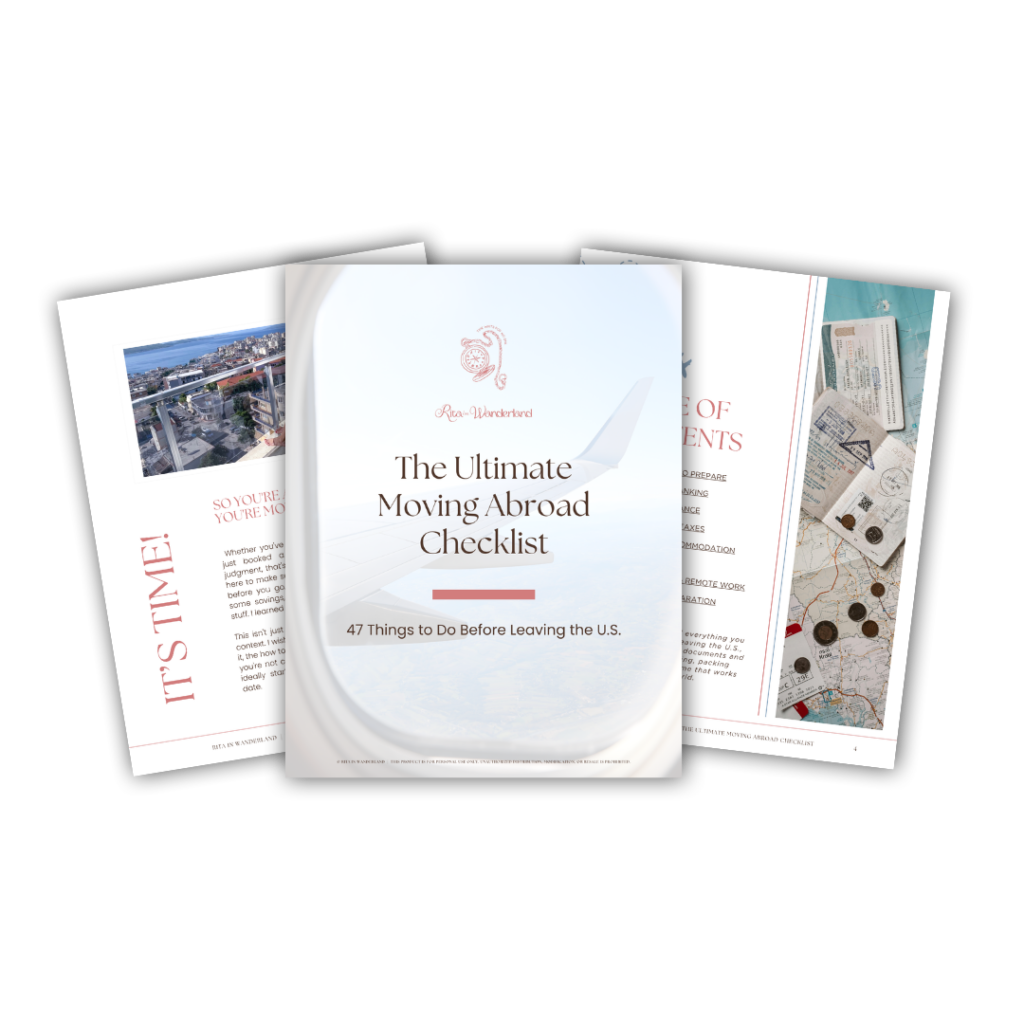
There’s your passport timeline, FBI background check, medical records, banking, mail, all the pre-departure logistics that catch people off guard. I put the full list in my free Moving Abroad Checklist so you have every step in one place.
How Much Does a Digital Nomad Visa Cost?
This is separate from the income requirement, and people mix the two up all the time. The income threshold is what you have to earn to qualify. The cost is what you actually pay out of pocket to apply and get set up.
You need to budget for both. The real costs usually break down like this. There’s the visa application fee itself, which varies by country and is often a few hundred dollars.
There’s getting your documents apostilled, which you pay for per document back in the States, plus translation into the local language if the country requires it.
There’s the health insurance you have to buy to qualify, which depends on your age and coverage. If you use an immigration attorney, add their fee on top, typically in the range we’ll get to shortly.
And then there are the costs nobody itemizes: the FBI background check, mailing documents internationally, travel to a consulate if you have to apply in person, and the first-month setup once you land. Check out my free Moving Abroad Checklist so you have every step in one place.
None of these is huge on its own. Added together, they’re real money, and they’re easy to underestimate when you’re only looking at the headline visa fee. You can keep this number down by doing more yourself.
When I applied for my residency in Albania, my actual out-of-pocket cost was low because I submitted everything myself and didn’t hire anyone. The trade-off is your time and your willingness to deal with the process.
That’s the honest calculation: pay more to have someone handle it, or pay less and do the legwork yourself. Neither is wrong. Just know which one you’re choosing and budget for it.
One thing to plan for: if an application gets denied and you have to reapply, some of these costs come around again. That’s another reason to get the paperwork right the first time, whether you do it yourself or hire someone qualified to.
How to Apply for a Digital Nomad Visa
The exact steps depend on the country, but the general path looks similar almost everywhere, so it helps to know the shape of it before you start. First, you confirm you actually qualify. That means checking the current income requirement and making sure you can prove it on paper.
Do this before anything else, because there’s no point gathering documents for a visa you don’t meet the threshold for. Next, you gather your documents.
Passport, proof of income, bank statements, health insurance, background check, and whatever else that specific visa requires, apostilled and translated where needed.
This is the slowest part, because some of these have their own timelines. An FBI background check takes time and is only valid for a set window, and apostilles can take weeks.
Start early and pay attention to expiration dates, because a document that expires before you submit means starting that piece over. Then you apply.
Depending on the country, this happens one of two ways: at that country’s consulate or embassy while you’re still in the US, or in-country after you arrive on a tourist entry. This trips people up constantly, because applying from the wrong place can mean you have to leave and start again.
Confirm which one your country requires before you book a single flight. If you do have to travel to apply or to arrive before you’re fully set up, get your accommodation sorted in advance.
I use Booking.com for the first few weeks in a new place because several of these visas require proof of an address, and a confirmed booking gives you something to show while you look for a long-term rental. After you submit, you wait.
Processing times range from a few weeks to several months depending on the country and how busy they are. Some countries let you stay while they process; others don’t.
Once approved, you usually have a few remaining steps in-country: registering your address, getting a local tax number, and sometimes opening a local bank account.
That’s the general rhythm: qualify, gather, apply, wait, finish up on the ground. The specifics change by country, but if you understand the sequence, the whole thing feels a lot less overwhelming.
For the wider pre-departure paperwork that goes beyond the visa application itself, passport renewal timing, background checks, medical records, banking, I walk through all of it step by step in my free Moving Abroad Checklist.
Why You Should Hire an Immigration Attorney, Not an Influencer
There’s something happening on social media right now that you need to know about before you spend a dollar on your move. More Americans want out than ever, and a whole industry has sprung up to serve them. Some of it is genuinely helpful.
But some of it is people using their own move abroad as a way to sell desperate, overwhelmed people a “white glove” relocation package, where supposedly they handle everything.
They hire the lawyers, they find your apartment, they manage every piece of paperwork, and all you have to do is hand over your documents and your money. A lot of money!
I’ve watched these packages sell for ten, fifteen, twenty thousand dollars. Here’s the problem. When you pay a random person online to handle everything, you don’t actually know what they’re doing.
You don’t know if they’re qualified. You don’t know if the lawyer they claim to hire exists or is any good. You’re trusting someone whose only credential is that they moved abroad once and built an audience.
I’ve heard too many accounts of people getting taken advantage of this way, handing over huge sums to someone who was not what they promised to be.
I’m not naming anyone, and I’d encourage you to research relocation scams yourself, but know that this is an ongoing pattern, not a rare one. Now compare that to what it actually costs to do it right.
A qualified immigration attorney in the country you’re moving to will typically handle your visa paperwork for somewhere around two to four thousand dollars, sometimes less and occasionally more, depending on the country and how complex your case is.
And that attorney gives you something no influencer can. They speak the language.
They know the local law. They can give you real legal advice because they are actually licensed to.
If something goes wrong, you have a professional with accountability, not a stranger who can block you and disappear. To be clear, I’m not against paying for help.
If you don’t want to deal with the bureaucracy yourself, hiring someone is completely reasonable, and honestly it’s probably the route I’d take too. The point is who you hire.
If you’re going to pay someone, make it a licensed immigration attorney who specializes in the visa you need. Read their reviews. Check their credentials. Confirm they’re qualified for your specific situation.
Do not hand ten or twenty thousand dollars to someone on Instagram because they made moving abroad look easy. And you don’t always need to pay anyone at all.
Plenty of people research the process, learn what they need to know, and apply entirely on their own. That was me. When I applied for my Albanian residency, I did the whole thing myself.
The office happened to be within walking distance from my apartment, the paperwork was submitted online, and when the officer flagged something that needed changing, he emailed me; I walked over, we talked it through, I fixed it, and resubmitted.
No fee, no middleman. I was lucky it went that smoothly, and I want to be honest that it doesn’t go that smoothly everywhere.
Bureaucracy can be a nightmare in most countries, Albania included, depending on the visa. But my point stands: doing it yourself is a real option if you’re willing to put in the research.
The bottom line is this. Whether you hire an attorney or do it yourself, the answer is never to blindly trust an influencer with your money and your future. Do your research. Hire qualified people. Protect yourself.

Digital Nomad Visas for Americans by Country: What Each One Requires
Before the details, here’s the quick-scan version.
| Country | Visa Length | Financial Requirement (2026) | Best For |
|---|---|---|---|
| Albania | Starts at 1 year, renewable | No officially fixed figure; plan for stable foreign income | Affordable Europe, easy entry |
| Portugal | 1 year, renewable | ~EUR 3,680/month | Long-term European living |
| Spain | 1 year, renewable up to 5 years total | ~EUR 2,442/month | Cities and lifestyle |
| Croatia | Up to 18 months, then exit | ~EUR 3,622.50/month | Coast and slower living |
| Greece | 1 year, then 2-year permit | ~EUR 3,500/month net | Islands and Mediterranean |
| Italy | 1 year, renewable | ~EUR 28,000/year + degree or experience | La dolce vita, if you qualify |
| France | 1 year visitor route, renewable | ~EUR 1,478/month (no true nomad visa) | France, if you get proper advice |
| Netherlands | 2 years, renewable | ~EUR 4,500 business deposit (DAFT) | Americans who freelance or run a business |
| Georgia | 1 year visa-free, longer via permits | None for the visa-free year | Testing life abroad with zero paperwork |
| Mexico | 1 to 4 years, renewable | ~USD 4,300-4,400/month (varies by consulate) | The Americas, close to home |
| UK | No nomad visa | Not applicable | See the honest note below |
Albania
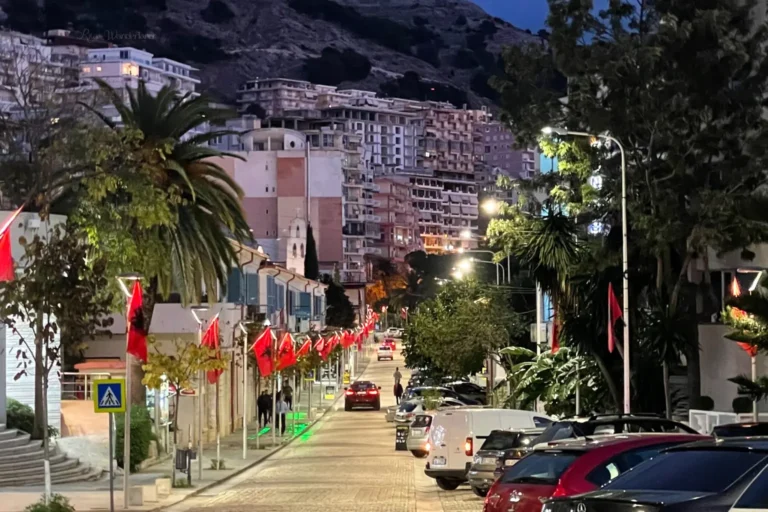
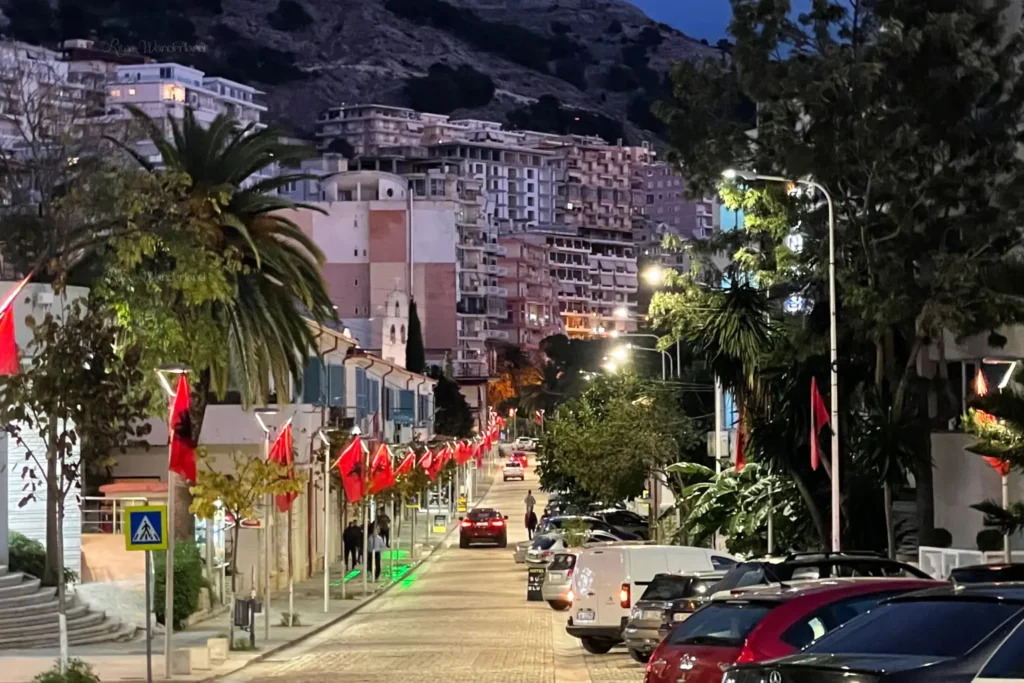
I'll start here because it's home. I've lived in Saranda for six years, and I hold my residency through work, not the digital nomad visa, so I want to be straight about what I do and don't know firsthand.
I tell the fuller story in my honest take on relocating to Albania. What I can tell you about Albania as a base is that it's one of the easiest places in Europe for an American to simply be.
You get a full year visa-free just by showing up, which is exactly how I started. Albania does have a digital nomad visa, officially the Unique Permit for digital mobile workers.
I have not personally applied for it, so I'm giving you what the current rules say, not lived experience with that specific visa.
The honest catch is that Albania has never published one clean, fixed income number for it, and the estimates floating around online range widely.
Some sources cite as little as a few hundred euros a month plus savings; others quote closer to nine or ten thousand dollars a year.
That gap tells you everything: confirm the current requirement directly on the official e-Albania portal before you count on qualifying, because nobody online agrees.
The residency I actually hold works differently. As an American you can apply for a one, three, or five-year permit, renew up to five years total, and then apply for permanent residency after that. That's the path I know firsthand, and it's separate from the nomad visa above.
What I'd say from living here: if you want an affordable, beautiful, low-bureaucracy place to test life abroad, the visa-free year is the simplest door in Europe.
Getting here is easier than people expect, too, and I break down every route in my guide on getting from Tirana to Saranda.
Cost of living is genuinely low; a comfortable one-bedroom in Saranda or Tirana runs roughly €400 to €800 a month, and I break the real numbers down in my cost of living in Albania guide.
The honest note is that the nomad visa itself is newer and less documented than the visa-free route most people actually use.
Portugal
Portugal runs one of the most established nomad visas in Europe, the D8. For 2026, the income requirement is about €3,680 a month, which is set at four times the Portuguese minimum wage, so it climbs a little each year.
You'll also need to show savings, roughly €11,040, on top of the income. You can confirm the current rules on the Portuguese Ministry of Foreign Affairs visa portal, and the residence permit itself is handled by AIMA once you arrive.
It's a real favorite for a reason: good weather, big established expat communities, a genuine path toward longer-term residency if you stay and renew.
The honest note is that the famous NHR tax break that drew so many people has ended for new arrivals, replaced by a narrower regime, so don't move there for a tax deal that mostly no longer exists.
Cost of living is moderate by Western European standards, lower outside central Lisbon. A friend of mine went through this exact process recently, and I'll share what she learned in a dedicated Portugal post.

Spain
Spain's digital nomad visa asks for about €2,442 a month in 2026, set at 200% of the Spanish minimum wage.
That's one of the more attainable thresholds among the big Western European countries, which is part of why it's so popular.
Applications go through your nearest Spanish consulate, and the official telework visa page lays out the requirements (there are consulate-specific versions, so use the one for your district).
The standout feature is tax: Spain offers eligible visa holders a flat 24% income tax rate under what's known as the Beckham Law, well below the standard progressive rates.
That matters, though, as an American, you still have your US filing to deal with regardless, which I'll get to.
The honest note is that Spain has been tightening enforcement, including checks on the minimum physical-stay requirement, so it's not a visa to hold casually while living elsewhere.
Cost of living varies a lot by city; Madrid and Barcelona are pricier, the south and smaller cities much gentler.
Croatia
Croatia's requirement jumped to about €3,622.50 a month for 2026, up from around €3,295 the year before.
That's not a policy change; it's a formula: the threshold is set at 2.5 times the average Croatian salary, so it rises automatically.
This is a perfect example of why you confirm the current number, because plenty of blog posts still quote the old figure.
Croatia's Ministry of the Interior runs a dedicated digital nomad page, and applications go through its official portal at digitalnomadscroatia.mup.hr.
The big draw is a full exemption from Croatian income tax on your foreign-earned income for the length of the permit.
The honest catch is the structure: you can stay up to 18 months, then you must leave for at least six months, and there's no direct path from this visa to permanent residency.
Croatia treats it as a temporary arrangement by design. Beautiful Adriatic coast, cost of living well below Western Europe, but plan around that hard ceiling.
Greece
Greece asks for about €3,500 a month net for 2026, up from €2,500 the year before, so this one rose sharply. In return, new tax residents can qualify for a 50% income tax reduction for up to seven years, which is a serious incentive.
The Greek Ministry of Foreign Affairs covers the visa on its digital nomad page, and the residence permit later runs through the Ministry of Migration and Asylum.
The honest note is a 2026 change that catches people out: as of February 2026, you can no longer apply from inside Greece. You have to apply at a Greek consulate before you travel.
Get that sequence wrong, and you'll be sent home to start over. Cost of living is reasonable, especially outside Athens and the pricier islands, and the lifestyle needs no sales pitch.
Italy
Italy's nomad visa requires roughly €28,000 a year, calculated from a healthcare-related benchmark.
But Italy adds a hurdle most others don't: you generally need a university degree or several years of qualified professional experience, because the visa is aimed at "highly skilled" remote workers.
This comes straight from Italian law, and you can check the requirements on the official vistoperitalia portal before applying through your consulate.
That degree requirement makes it harder to qualify than the income number alone suggests, and it's the honest reason Italy isn't the easy option people assume.
Documentation is heavy, and consulate processes still vary since the visa is relatively new. Cost of living swings widely, big-city Milan and Rome versus more affordable Bologna, Palermo, or the south.
Worth it if you qualify and you want Italy specifically; frustrating if you're just shopping for the easiest door.
France
Here's the honest truth: France has no dedicated digital nomad visa, and anyone who tells you otherwise is out of date. What exists is a long-stay visitor visa, and its rules around remote work have whiplashed recently.
Remote work on it was banned in June 2025, then a June 2026 government clarification said remote work for a foreign employer is allowed under conditions. The financial benchmark for that visitor route is roughly €1,478 a month.
You can see the actual rules on the official France-Visas site. The honest note practically writes itself: France is a moving target right now.
The rules changed twice in about a year, and the details genuinely matter to whether you're legal. If France is your goal, this is exactly the situation where you hire a licensed French immigration attorney rather than trusting any blog, including this one.
Freelancers may fit better under a self-employed visa instead. Cost of living is high in Paris, but more reasonable in smaller cities.
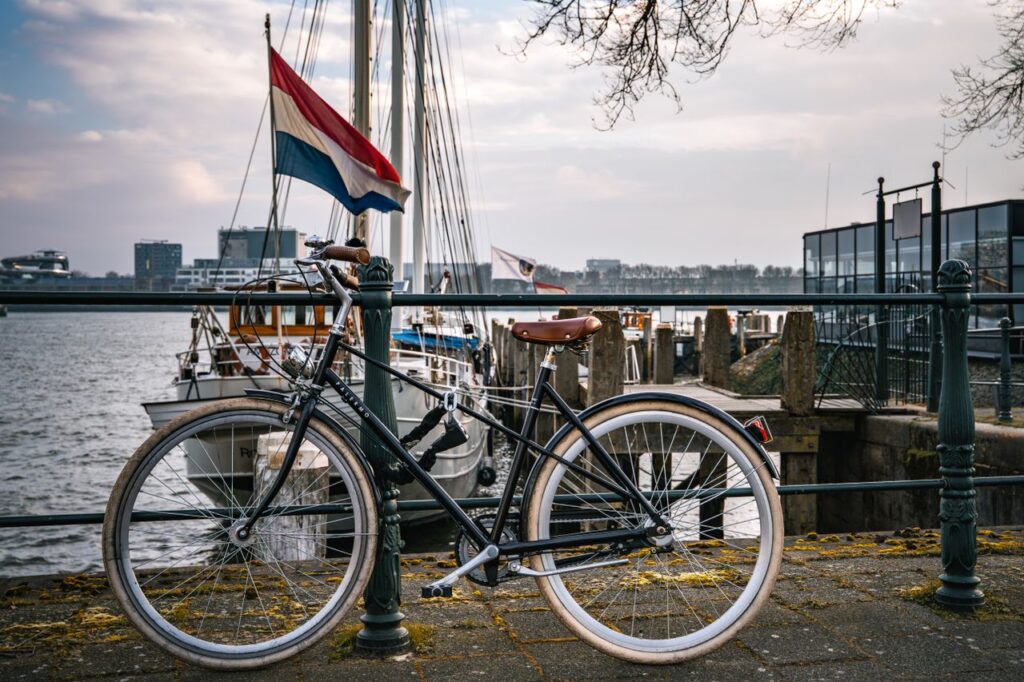
Netherlands
The Netherlands has a door that's open to Americans specifically, and it's genuinely different from everything else on this list.
It's called DAFT, the Dutch-American Friendship Treaty, and it's only for US citizens.
There's no monthly income threshold at all. Instead, you deposit €4,500 into a Dutch business account, register as self-employed, and you get a two-year residence permit that's renewable.
On the official Dutch immigration site, there's no page literally called "DAFT," because officially it's the self-employed residence permit that Americans qualify for through the treaty, which is worth knowing before you go looking for a "DAFT visa" page and can't find one.
The honest note is that it's not really a "nomad" visa; it's a self-employment visa. You have to run an actual business or freelance operation, keep that €4,500 in the business, and file Dutch taxes.
But for an American freelancer or small-business owner, it's one of the most accessible routes into Europe that exists, with no salary floor to clear. Cost of living is high, and the housing shortage is real, so factor that in.
Georgia
Georgia is the closest thing to how I started in Albania, which is why I like it as an option. Americans can stay a full year, 365 days, visa-free, with no application, no fee, nothing to file. You just arrive.
You can work remotely for foreign clients, open a bank account, and decide whether you actually want to be there before committing to any paperwork.
You can check entry rules on the official e-visa portal, and residence permits are handled by the Public Service Development Agency.
Georgia also has longer-term routes if you stay, including a newer IT-specific residence permit launched in late 2025 for people with IT experience and income of around $25,000 a year.
Foreign income generally isn't taxed locally under Georgia's territorial system.
Two honest 2026 notes: as of January, you need to show health insurance at entry, and as of March, new labor rules may require permits for remote work, which is an unsettled grey area right now.
Cost of living is low; around $1,000 to $1,500 a month is comfortable. For testing life abroad with zero upfront bureaucracy, it's hard to beat.

Mexico
Mexico has no dedicated digital nomad visa. What remote workers use is the Temporary Resident Visa, granted on "economic solvency."
For 2026, that means showing roughly USD $4,300 to $4,400 a month in income, or savings around $73,000, but here's the honest catch: the exact number is set consulate by consulate and tied to a Mexican economic measure that updates yearly, so two applicants can face different figures depending on where they apply.
Confirm with the specific consulate serving your address, and check the official National Immigration Institute for the process.
The visa runs one to four years, renews, and leads to permanent residency after four years. Remote work for foreign clients is fine; working for a Mexican employer is not, without extra permission.
For Americans, it's the practical close-to-home option, easy flights back, overlapping time zones. Cost of living varies from very affordable in Oaxaca or Mérida to steep in Tulum or the best parts of Mexico City.
A Note on the UK
I'm including the UK only to clear up a common search, because people look for a "UK digital nomad visa" that doesn't exist. Britain has no dedicated nomad visa.
There are other routes into the UK, work visas tied to a job, and other specific categories, but none is a true remote-work-for-a-foreign-employer visa the way the others on this list are.
If you're set on the UK, you're looking at a different kind of visa entirely, and that's a separate conversation from digital nomad life.
Will You Pay Taxes if You Get a Digital Nomad Visa?
Here's the part most people don't think about until it's too late, and it's the single most important thing in this whole post for Americans specifically.
You will still file US taxes. Always. It doesn't matter which country you move to, which visa you hold, or how many years you've been gone.
The United States taxes its citizens on worldwide income no matter where they live, so as long as you hold a US passport, you file a US return every year.
This is not optional, and it does not go away because you got a residency permit somewhere else. Now here's where the visa actually matters, and where people get confused.
Your digital nomad visa determines your tax situation in the country you move to, which is a completely separate question from your US filing.
Some countries won't tax your foreign income at all. Croatia exempts it during the permit. Georgia generally doesn't tax foreign-sourced income. Others, like Spain and Greece, offer special reduced rates to attract you.
And several countries consider you a tax resident once you spend enough time there, usually more than 183 days in a year, which can create local tax obligations on top of your US ones.
Two separate systems, two separate sets of rules, and the visa only speaks to one of them. The good news is that the US has tools so most people abroad don't get taxed twice on the same money.
The main one is the Foreign Earned Income Exclusion, which for the 2026 tax year lets you exclude up to $132,900 of earned income from US tax if you qualify.
There's also the Foreign Tax Credit for taxes you pay to another country. These help a lot, but here's the catch that trips people up: you only get them if you file. They are not automatic.
Skip the return, and you can lose the benefit entirely. There's one more small piece of US life that follows you abroad and catches people out: your phone number.
So much of your US financial life, your bank, the IRS, government logins, account verification texts, is tied to a US number, and losing it the moment you move can lock you out of the exact accounts you need most.
I explain how I keep a US phone number from Albania, and it's one of the easiest things to set up before you go.
I'm not going to pretend to be a tax professional, because I'm not, and this is genuinely the area where doing it wrong costs the most.
The honest advice is to hire a cross-border accountant who specializes in American expats, at least for your first year abroad. It's worth every dollar.
The interaction between your US filing and your new country's tax rules is not something to figure out from a blog post, including this one.
I cover the full pre-departure tax setup, the exclusions, the forms, the FBAR filing for foreign bank accounts in my free Moving Abroad Checklist, so you have it all in one place before you go.

What About Heritage and Citizenship by Descent?
Everything so far assumes you're moving abroad on your income.
But there's another door, and if it's open to you, it can be a far stronger one than any nomad visa: citizenship or residency through ancestry. The idea is simple.
Several countries grant citizenship, or an easier path to it, if you can prove a parent, grandparent, or sometimes a great-grandparent was born there.
It's called citizenship by descent, and the payoff is enormous compared to a nomad visa. You're not renting a year of residency that you have to keep requalifying for.
You're claiming a passport, often an EU one, that lets you live, work, and stay permanently with no income threshold to hit ever again. A few of the countries on this list are known for these ancestry routes.
Italy has long had one of the most generous, though the rules have tightened recently. Ireland is one of the most straightforward if you have an Irish-born grandparent, though it's not on my visa list above.
Portugal, Spain, and others have their own descent and heritage pathways too, including special routes for certain ancestries. Each of these programs has its own rules, proof requirements, and recent changes, and they vary enormously.
I want to be honest about my own limits here. This is not my lived experience. I got my residency through work in Albania, not through ancestry, so I'm flagging this as a real option worth researching, not something I've personally navigated.
Pulling birth certificates and marriage records across generations, getting them apostilled and translated, proving an unbroken line, it's a genuine project, and the countries change their rules more often than you'd think.
If you have foreign-born parents or grandparents, find out whether you already have a claim to a second citizenship before you spend a cent on a nomad visa. It's the one path here that could hand you the freedom the rest of this post is trying to work around.

How to Choose the Right Digital Nomad Visa for You
By now you've seen that these visas aren't really interchangeable. So how do you actually pick? A few honest questions cut through most of it. Start with the money question, because it's the fastest filter.
What can you actually prove you earn, on paper, month after month? If your provable income is around €2,800, Spain is in reach, but Croatia and Greece aren't. If you're closer to €3,700, most of Europe opens up.
If your income is irregular or hard to document, that narrows things fast, and it might push you toward a route like Georgia's visa-free year or the Netherlands' DAFT, which don't hinge on a monthly income threshold at all.
Match the visa to the income you can document, not the income you hope to have. Then ask how long you actually want to stay.
If this is a one-year experiment, Georgia or Albania's visa-free options let you test a place with almost no commitment. If you want to build a life and eventually get permanent residency, look at where the visa actually leads.
Croatia caps you at 18 months with no path forward. Portugal, Spain, and the Netherlands can build toward something permanent. Those are very different decisions.
After that, be honest about how much bureaucracy you can stomach and whether you'll hire help. Italy's degree requirement and heavy documentation make it a real project. Georgia asks almost nothing upfront. France is in flux and basically requires professional guidance.
If you want the smoothest possible path and you're willing to pay a qualified immigration attorney, that changes what's realistic for you.
And here's the one most people skip, which I feel strongly about: choose the country you actually want to live in, not the one with the easiest visa.
A visa is a means, not the point. The easiest permit in the world is worthless if you're miserable there in February. Which brings me to the thing that matters as much as any of this, and it's what my next section is about.
Before you commit to any of it, it helps to have the full picture of what moving abroad actually involves beyond the visa. That's exactly what my free Moving Abroad Checklist is for: every step from documents to banking to health insurance in one place.
And if you're still deciding where you'd even want to go, I wrote a whole guide on how to choose the right country to move to based on my own move.
What I'd Skip: My Honest Take
If there's one thing I'd tell you to skip, it's this: don't sink thousands of dollars into moving to a country you've never actually lived in.
I know how that sounds coming from me. I moved to Albania sight unseen. I'd never set foot here; I saw my apartment in photos, and I sent a deposit before I ever crossed the border. So who am I to say don't do that?
Here's the difference, and it matters. When I came to Albania, I had nothing to lose. There was no visa, no attorney, no shipping container of my belongings.
Americans get a year here visa-free, so I walked in free, found an apartment, and gave myself permission to leave if I hated it. The bet was small. If Albania hadn't worked out, I'd have booked a flight and been out nothing but a plane ticket and a month's rent.
That is not the bet you're making if you're hiring an immigration attorney, meeting an income threshold, apostilling documents, and moving your life to a country with a real visa attached.
That's thousands of dollars and months of effort before you've spent a single ordinary Tuesday there. And a place you love on vacation is not the same as a place you love to live. Visiting is restaurants and beaches and everything shiny.
Living is the grocery store, the paperwork, the quiet winter when the tourists leave, and you find out whether you actually like it here. So if you're going the full-visa route, do the part most people skip.
Go live there first, even for a month or two, before you commit the money. Rent an apartment, not a hotel. Shop where locals shop.
Be there long enough to be bored, because boredom is where you learn the truth about a place. The visa research matters, but knowing whether you can actually live there matters just as much.
Spend the money to find that out before you spend the money on everything else.

The Bottom Line
When I moved to Albania, I had no plan. I picked the country with the easiest door, told myself I'd figure out the rest later, and genuinely thought I might be gone in a year.
Six years later, I'm still here, with residency I applied for myself and a life I built one confusing step at a time.
I'm telling you that again at the end because it's the honest counterweight to everything above. Yes, you should understand the income thresholds.
Yes, you should know what each visa requires and what it costs and how the taxes work. Do the research, because it protects you. But don't let the size of the decision freeze you either.
You don't need every answer before you start. You need enough to take the next real step without getting scammed or blindsided. So here's what actually matters.
Pick a country you genuinely want to live in, not just the one with the friendliest visa. Prove your income honestly. If you hire help, hire a qualified immigration attorney, never an influencer promising to handle it all for a fortune.
Take your US taxes seriously from day one. And if you can, go live in the place before you commit your money to it. That's it. That's the whole thing.
The people who make this work aren't the ones with the most money or the perfect plan. They're the ones who did enough homework to move smart, then actually moved.
If I figured it out with no plan and a one-way ticket, you can figure it out with this guide and a head start.
Digital Nomad Visas for Americans: FAQ's
Is there a digital nomad visa for Americans?
There's no US-specific digital nomad visa, but Americans qualify for the digital nomad visas that individual countries offer, like Portugal, Spain, Croatia, and Greece, as long as you meet that country's income and documentation requirements. A few countries also have routes built specifically around Americans, like the Netherlands' DAFT treaty.
How much income do you need for a digital nomad visa?
It depends entirely on the country. In 2026, Spain asks for around €2,442 a month, Greece around €3,500, Portugal around €3,680, and Croatia around €3,622.50. Some countries, like Georgia's visa-free year and the Netherlands' DAFT route, don't set a monthly income threshold at all. Always confirm the current figure on the official government page before you apply, because these numbers change most years.
Do Americans pay taxes on a digital nomad visa?
Yes. As a US citizen, you file a US tax return no matter where you live or which visa you hold. Tools like the Foreign Earned Income Exclusion (up to $132,900 for the 2026 tax year) and the Foreign Tax Credit help you avoid being taxed twice, but only if you actually file. Your visa affects your tax situation in the new country, which is a separate question from your US filing. Talk to a cross-border accountant.
Should I hire someone to get my digital nomad visa?
If you want help, hire a licensed immigration attorney in the destination country, not an influencer selling an expensive "done for you" relocation package. A qualified attorney typically costs a few thousand dollars, speaks the language, and is actually accountable. Many people also apply successfully on their own with enough research. The one thing to avoid is handing a large sum to someone online whose only credential is that they moved abroad once.
Which digital nomad visa is easiest for Americans?
The lowest-friction options tend to be the ones without a strict income threshold. Georgia lets Americans stay a full year visa-free with no application at all, and the Netherlands' DAFT route asks for a €4,500 business deposit rather than a monthly income floor. Among the income-based visas, Spain has one of the more attainable thresholds in Western Europe. "Easiest" also depends on where you actually want to live, which matters more than the paperwork.