Heads up! This post contains affiliate links, which means I may earn a small commission if you purchase at no extra cost to you. I only recommend what I truly believe in, and your support helps keep this site running and free to access.
How to Move Abroad as an American: Everything You Need to Prepare for a Smooth Relocation
Written by Rita Serra | Published Sept 08, 2025
How to move abroad as an American has almost become the latest trend. More and more people are looking for a fresh start, a slower pace, or simply an escape from the challenges of life in the U.S., and I completely get it.
The idea of moving abroad alone, packing up, and starting somewhere new is exciting, but let’s be honest: it can also feel overwhelming and complicated.
That’s why I’ve created this relocation guide, to give you clarity and reassurance. I’ll break everything down into manageable steps so that by the time you finish reading, you’ll feel more confident, prepared, and ready to take the leap toward building a life abroad.
- Successfully Move Abroad as an American
- Choose Your Destination When Moving Abroad Alone
- Understand Visa & Residency Options
- Gather Your Essential Documents
- Organize Your Finances to Afford to Move Abroad
- Secure Healthcare Coverage
- Find Housing Abroad and Start Adjusting to a New Life
- Set Up Tech & Communication
- Adjust to Culture & Daily Life
- Emergency Planning
- Final Thoughts: Ready to Relocate and Start a Great Life Abroad
- 5 Essential Questions to Ask Before You Move Abroad

Successfully Move Abroad as an American
Choose Your Destination When Moving Abroad Alone
One of the most exciting parts of learning how to move abroad is deciding where to go. But it’s also the step that requires the most careful thought. Your dream location needs to make sense not just for your lifestyle, but also for your long-term plans.
Think about the cost of living and how it aligns with your budget. A country might look affordable at first, but rent, healthcare, and transportation can tell a different story once you dig into the numbers.
Then there are the visa requirements; some destinations make it relatively simple for Americans to stay long-term, while others require proof of income, employment, or ancestry connections.
Beyond the paperwork, consider what kind of daily life you want. Do you thrive in a fast-paced city, or would you prefer a slower lifestyle by the sea?
Is learning a new language exciting to you, or would you prefer to be somewhere where English is widely spoken? These questions will shape not only where you move abroad but how happy you’ll feel once you’re there.
If you’re not sure where to begin, I’ve put together a full guide that breaks countries down by lifestyle, like which destinations are best for families, which ones work well for entrepreneurs, remote workers, students, or retirees, and which countries are a good match
if you’re moving to work in the healthcare industry. You can read the full guide here: Debating Moving Abroad? Find the Right Country for You
Understand Visa & Residency Options
One of the first hurdles you’ll face when moving and starting over is figuring out how to stay legally. Americans have several visa pathways, and the right one depends on your situation.
The government ties work visas to employment with a local company, while immigration authorities grant student visas to those enrolling in an approved educational program. Increasingly popular are digital nomad visas, designed for remote workers with online income.
If you’re looking to retire abroad, some countries offer retirement visas based on proof of stable income or savings. And if you have close relatives living abroad, family reunification visas may also be an option.
If you’re considering Europe, it’s important to understand the Schengen 90/180-day rule. As an American, you can spend up to 90 days within a 180-day period in the Schengen Zone without a visa.
This is fine for short-term stays, but it won’t work if you want to live in Europe long-term; you’ll need a visa or residence permit that extends your stay.
Timing is everything when it comes to visas, which is why you should start your research early. Some applications require months of processing, background checks, and even in-person interviews. Waiting until the last minute can leave you with fewer options or force you to delay your move.
Another key detail is whether you should apply while still in the U.S. or once you arrive abroad. Some countries require you to secure your visa before entering, while others allow you to switch from a tourist visa to a residence permit after arrival. Knowing which path applies to your chosen destination can save you time, money, and stress.

Gather Your Essential Documents
Before you even think about leaving your life behind, make sure your paperwork is in order. Having the right documents ready can make or break your move abroad. The last thing you want is to be scrambling for them last minute.
- Passport: Most countries require it to be valid for at least six months beyond your intended stay. If yours is close to expiring, renew it well before you begin any visa applications.
- FBI background check and fingerprints: These checks are only valid for six months, so timing matters. Request them early enough to meet application deadlines, but not so early that they expire before you submit your paperwork.
- Certified copies: Have official copies of personal documents like your birth certificate, marriage license, and if you’re moving with children, their school transcripts or immunization records. Governments and institutions often require these for visas, residency permits, or school enrollment abroad.
- Apostilles and notarization: Authorities in many countries require you to apostille or notarize documents before they recognize them legally overseas. An apostille is a special certification for international use, and the process can take time depending on your state. Check the requirements for your destination country so you stay prepared.
- Multiple copies: Make both physical and digital copies of everything. Keep originals in a safe place, but have backup copies for consulates, landlords, schools, and employers. You can save yourself stress by carrying extra copies in case you lose the originals in transit.
Organize Your Finances to Afford to Move Abroad
Money management is one of the most practical (and often overlooked) parts of moving abroad. Setting yourself up with the right financial tools will save you a lot of stress once you’re overseas. This is also one of the best ways to ensure you can actually afford to move abroad without encountering unexpected expenses.
Open an international-friendly debit/credit card
Banks like Charles Schwab and Fidelity offer debit cards that refund ATM fees worldwide, which can save you a surprising amount over time. Open an account that works seamlessly abroad so you avoid expensive withdrawal fees.
Get a no foreign transaction fee credit card
Many U.S. credit cards charge an extra 3% every time you make a purchase abroad. A no-fee card lets you spend in local currency without worrying about hidden costs, and you’ll often earn travel points or rewards at the same time.
Personally, I use Chase Sapphire Preferred, and it’s been a game-changer for my travels. Not only has it saved me money on every transaction overseas, but it also earns me points on all my travel-related purchases, from flights to hotels to even train tickets abroad.
You can quickly collect points and redeem them for future travel. This is a smart way to stretch your budget. What I also love is that it’s a great starter travel credit card with a relatively low annual fee.
It still offers perks like travel insurance, purchase protection, and flexible reward redemption through Chase Ultimate Rewards.
Set up a money transfer account
Services like Wise and Revolut simplify safe transfers between U.S. and international banks. This is especially useful if you’re living abroad long-term.
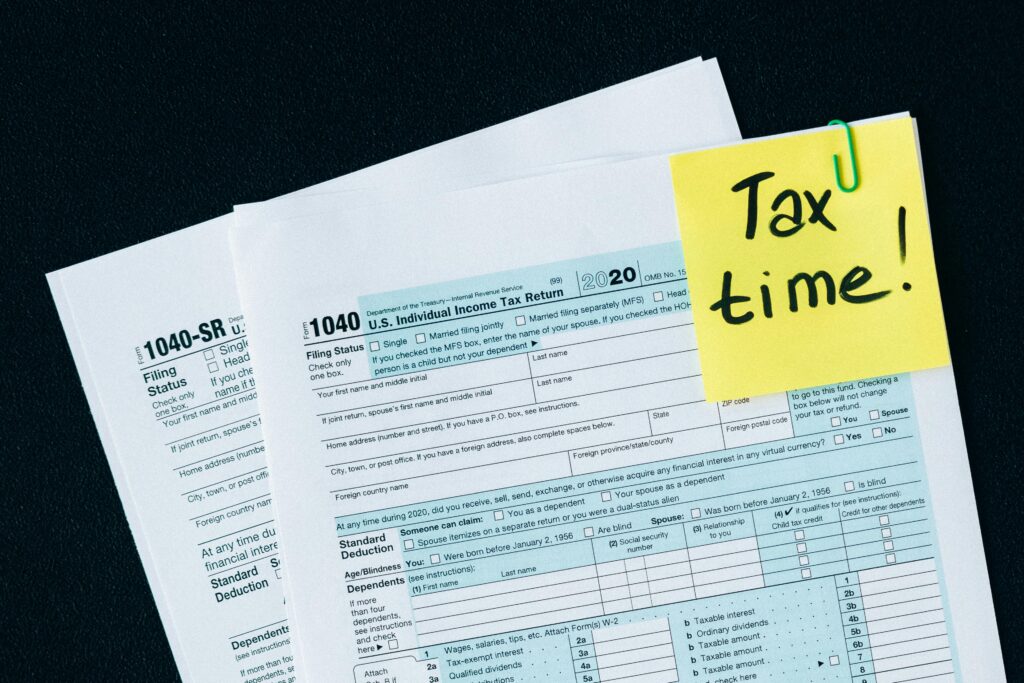
Understanding Taxes When You Move Abroad
Taxes are one of the least glamorous parts of life abroad, but they’re also one of the most important. The IRS surprises many Americans by continuing to require annual tax returns even after they leave the United States. Even if you earn nothing in the U.S., you must still file while living overseas.
Key terms to know:
- FEIE: The Foreign Earned Income Exclusion (FEIE) allows you to exclude a portion of your foreign-earned income (over $120,000 as of 2023) from U.S. taxation if you meet certain requirements.
- FBAR: The FBAR (Foreign Bank Account Report) is required if you hold more than $10,000 across foreign bank accounts at any point during the year. Failing to file these forms correctly can result in penalties.
In addition to U.S. taxes, you’ll likely owe taxes in the country where you live. The good news is that the U.S. has tax treaties with many countries to help prevent double taxation. Understanding how these agreements work is key to avoiding paying more than necessary.
International tax laws can get complicated quickly, especially if you’re self-employed, own property, or plan to stay long-term. Hiring an expat tax advisor saves money, reduces stress, and ensures accurate filings in both countries.

Secure Healthcare Coverage
Healthcare plays a crucial role when moving abroad alone, and many countries also require it for visa approval. Some immigration offices will not approve your residency application unless you show proof of valid health insurance. That’s why it’s important to make sure you arrange coverage before you leave.
You should also understand the difference between travel insurance and expat health insurance. Travel insurance covers short-term trips, focusing on emergencies, lost luggage, and unexpected cancellations.
Expat health insurance is designed for long-term stays abroad. It provides comprehensive coverage, including routine doctor visits, hospital care, and sometimes dental or maternity benefits.
Once you arrive, explore the public and private healthcare options in your new country. Countries with public healthcare systems often provide affordable, high-quality care. Depending on your location, you might face waiting lists or limited access to English-speaking doctors.
Private healthcare delivers faster access and a wider choice of providers, though at a higher cost. Deciding on public, private, or a mix depends on your healthcare needs, budget, and your destination’s healthcare system.

Find Housing Abroad and Start Adjusting to a New Life
Finding housing abroad often feels overwhelming at first. I struggled with where to look and what to trust, but once I learned the process, navigating rentals became much easier.
With patience and research, you can secure a place that feels like home and take your first real step to a new life abroad. This step is where many people realize they are truly stepping into a new life; it’s not just theory anymore, it’s daily reality.
Decide between temporary housing and long-term rentals
Begin with short-term housing to explore neighborhoods before committing. Once you understand the area, sign a longer lease with confidence.
Know where to search
Use Airbnb for short stays, check Facebook expat groups for community-shared listings, and browse local property websites to see true market prices. Compare across platforms to avoid overpaying. On Facebook, search Expat [name of city or country] to find communities of other expats and locals that can help you with anything you need. This is also a great way to meet new people.
Understand leases and deposits
Know that deposit rules vary by country, and sometimes landlords expect several months of rent upfront. Read the lease terms carefully and confirm your rights before signing.
Watch out for scams
Stay alert for anyone demanding money before you view a property. Avoid vague contracts or offers that sound too good to be true. Request a written lease and, whenever possible, inspect the home in person before paying. Also, I recommend that if there’s a contract, getting it notarized is suggested.

Set Up Tech & Communication
Staying connected abroad requires some planning, but setting up your tech the right way saves you time, money, and stress. I learned quickly that keeping my U.S. phone number, finding the right SIM, and preparing for basic tech differences made life a lot easier once I settled in.
Keep your U.S. phone number
Use services like Google Voice or Tello to hold onto your American number. This makes two-factor authentication, banking, and staying in touch with friends and family much simpler.
Choose the best SIM or eSIM abroad
Buy a local SIM card or set up an eSIM for affordable data and calls. Compare local carriers as soon as you arrive to avoid overpriced tourist plans.
Use a VPN for security and access
Install a VPN to protect your online banking and secure connections. A VPN also helps you access U.S. streaming services that may be restricted abroad.
Prepare for voltage and plug differences
Research the voltage standards in your new country and bring the right plug adapters. Using the wrong setup can damage your devices, so check before you plug in. This list is my favorite tech gear I’ve been using for the last 8 years abroad.
Download helpful apps
The right apps can simplify everything from navigation to translation to budgeting while abroad. I’ve rounded up my favorites in this guide: 10 Best Apps to Use When Moving Abroad

Adjust to Culture & Daily Life
Moving abroad means more than just changing your address; it means adapting to a new way of living. Embracing the differences rather than resisting them will help you settle in faster and feel at home sooner.
Learn the local language (or know when you can get by in English)
In some countries, English is widely spoken, and you can manage without much effort. In others, learning the basics of the local language will open doors, build trust, and make daily life much smoother.
Navigate public transport, groceries, tipping, and social habits
Expect differences in how you get around, shop, or interact with locals. Public transport may replace driving, grocery shopping may involve local markets, and tipping may not be common, or even welcomed. Observe, ask questions, and adapt to local customs.
Recognize how daily life feels different from the U.S.
Simple routines, like paying bills, seeing a doctor, or eating out, may look very different when you move abroad. Instead of comparing everything to the U.S., approach these changes with curiosity. Over time, they’ll become your new normal.
Emergency Planning
Living abroad brings incredible opportunities, but it’s important to prepare for the unexpected. Having a plan in place gives you peace of mind and helps ensure you’ll have a great life ahead, even when surprises come up.
Register with the STEP program at the U.S. embassy
Sign up for the State Department’s Smart Traveler Enrollment Program (STEP). This connects you with the local U.S. embassy, keeps you informed of safety updates, and helps officials reach you quickly in an emergency.
Know the local emergency numbers
Don’t assume 911 works everywhere. Learn the local numbers for police, fire, and medical emergencies as soon as you arrive, and keep them saved in your phone. Not only should you know the local numbers for police, fire, and medical emergencies, but you should also learn how to say these phrases in the local language because it could come in handy if you need help.
Also, there is an app called Emergency Call that helps you find emergency phone numbers for your current location in case of an emergency. The Emergency Call app requires an Internet connection and access to the GPS receiver to function properly.
Keep backups of documents digitally and physically
Scan passports, visas, IDs, and important paperwork, then store them securely in cloud storage. Carry paper copies in a safe place as well, so you have access even if your phone or laptop is lost.
Maintain an emergency fund
Set aside money that you can access quickly in case of unexpected travel, medical costs, or sudden changes in your living situation. Even a few thousand dollars can make a major difference in a crisis.

Final Thoughts: Ready to Relocate and Start a Great Life Abroad
Ready to relocate? Moving abroad is a big decision, but with the right preparation, it becomes far less intimidating. From choosing the right destination and sorting out visas to setting up your finances, healthcare, housing, and daily life, each step builds a solid foundation for your new adventure.
Remember that challenges will come, but they’re part of the process of creating a life you love in a new country. Approach each step with patience, curiosity, and flexibility, and you’ll find yourself more confident and capable than you expected.
By following this path, you’ll gain the experience of living abroad that changes not just where you live, but how you see the world. Every challenge becomes part of the story of building your new life.
If you’re ready to relocate and want to dive deeper into choosing the perfect country for your lifestyle, don’t miss my full guide here: Debating Moving Abroad? Find the Right Country for You
5 Essential Questions to Ask Before You Move Abroad
What kind of lifestyle do I want?
Urban hustle, beach vibes, nature-focused, quiet towns, or big city; what kind of daily life feels right for you?
What’s my budget?
Consider cost of living, healthcare, housing, and taxes; what can you realistically afford?
What kind of climate do I want?
Year-round warmth, four seasons, or something milder?
Are you willing to adjust to slower systems, fewer amenities, or a different standard of living?
The convenience and familiarity you’re used to in the U.S. might not exist abroad, at least not in the same way.
How important is proximity to family and friends?
Do you want to be close for visits, or are you okay with long-distance?