The Antarctica Planning Checklist: What I Need to Figure Out Before I Go
Written by Rita Serra | Published July 08, 2026
Heads up! This post contains affiliate links, which means I may earn a small commission if you purchase at no extra cost to you. I only recommend what I truly believe in, and your support helps keep this site running and free to access.
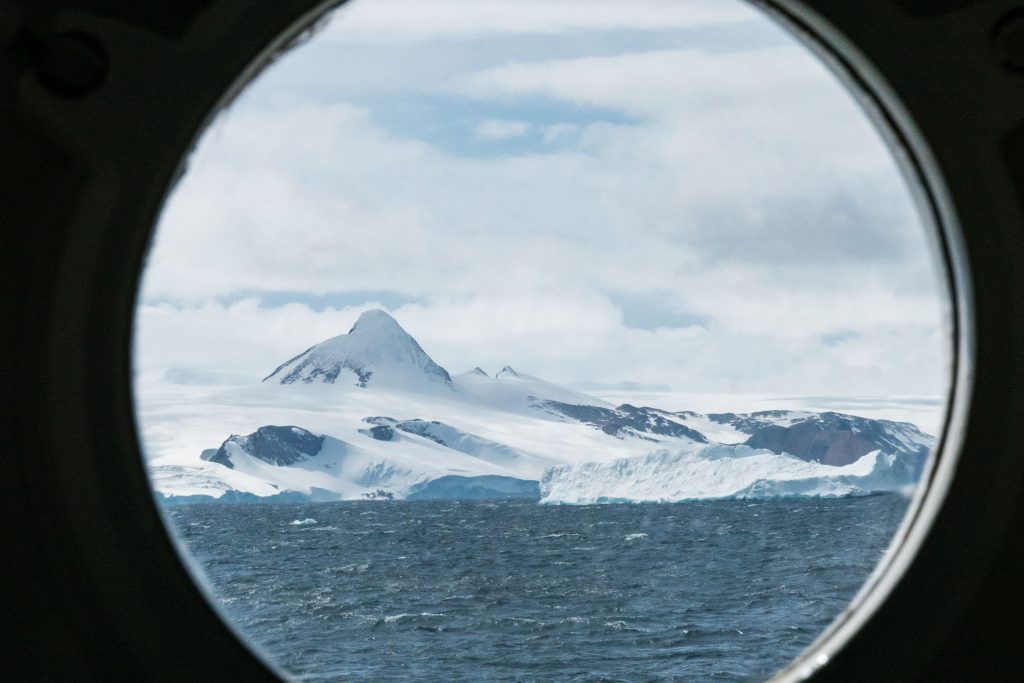
I made the mistake of Googling “how to plan an Antarctica trip” thinking I’d get a simple checklist. What I got instead was seventeen browser tabs, three different cruise company websites, a Reddit thread from 2019, and the creeping realization that I had no idea what I was actually signing up for logistically.
So I made my own checklist.
This isn’t a completed guide. It’s a working list from someone 2.5 years out who’s just starting to figure it out, and I’ll be updating it as I go.
Choosing an Antarctica Cruise Operator
This is the biggest decision, and the one with the most variables. Here’s what I’ve learned so far.
The first thing that stopped me cold: if you want to actually set foot on Antarctica, you need to choose an operator with fewer than 500 passengers. That’s not a preference. It’s an international rule.
Ships with more than 500 passengers are not permitted to land on the continent at all. They still go to Antarctica, but you experience everything from the deck. For me, touching land is the whole point. So this narrows the field immediately.
Even on smaller ships, only 100 people can be on land at a time. That means excursions rotate by group, and the size of your ship directly affects how much time you actually get on shore. Smaller ship, more time on land. It’s that simple.
The other thing worth knowing before you start comparing prices: this is expedition travel, not a regular cruise. There is no fixed itinerary. Daily plans change based on weather, ice conditions, and wildlife.
Flexibility isn’t a nice-to-have; it’s the entire structure of the trip. The crew does everything they can to maximize your time and number of excursions, but the weather makes the final call. Every single time.
Cruise operators generally fall into three tiers:
Budget/Basic: typically the lowest price point, smaller older vessels, fewer onboard amenities, but still gets you to the peninsula and still lands you on the continent (as long as the passenger count is under 500). Best for travelers who want the experience itself and are comfortable with simpler accommodations. The expedition is the point, not the ship.
Mid-level: the sweet spot most people land on. Better cabins, more included excursions, newer vessels, and usually more experienced naturalist guides on board. The price jump from basic reflects the quality of the ship and the depth of the experience, not just comfort.
Luxury: smaller ships, higher staff-to-passenger ratios, more personalized excursions, and significantly more comfort onboard. Worth it for travelers who want a premium experience end to end. Not necessary for the expedition itself, but the difference in daily experience is real.
Regardless of tier, make sure you know exactly what your fare includes before you book. Flights, airport transfers, the number of excursions per day, which excursions are included versus which cost extra, and what gear is provided onboard. Many operators supply parkas and waterproof boots. Others don’t. That affects your packing budget significantly.
One more thing that matters more than most people realize: the length of the cruise. Most Antarctic expeditions run 10 to 12 days, though longer itineraries are available. Of those days, roughly four are spent crossing the Drake Passage two days each way.
That leaves the remaining days for actual exploration of the Antarctic Peninsula and surrounding islands. A longer itinerary gives the expedition more flexibility to sail further and see more. If the budget allows, more days is almost always worth it.
I haven’t chosen my operator yet. That decision deserves its own post once I’ve done the comprehensive research. But knowing these parameters has already helped me understand what I’m actually comparing when I start looking at prices.
When to Go: The Antarctica Travel Window
Antarctica isn’t a “whenever works for you” destination. There’s a window, and everything the wildlife, the light, the price, and the availability changes depending on where in that window you land.
The basic window
Antarctica cruise season runs November through March, the southern hemisphere summer. Outside of that, the continent is essentially inaccessible to tourists. That’s a five-month window total, which sounds generous until you realize the most popular dates book out 12 to 18 months in advance.
What each month offers:
November (Early Season): The snow is pristine and untouched, penguin courtship and nest-building is happening, and crowds are lower. Prices tend to be slightly lower too. The trade-off is that weather is more unpredictable, and some landing sites may still be iced over.
December and January (Peak Season): The longest daylight hours, some days nearly 24 hours of light, penguin eggs are hatching, wildlife activity is at its peak, and the landscape is dramatic. This is the most popular window, which means highest demand, highest prices, and the most competition for expedition spots.
February and March (Late Season): Whale sightings are at their best, penguin chicks are growing and active, and the light has a golden quality that photographers love. Prices can dip slightly as the season winds down. The trade-off is that some penguin colonies start to thin out toward March.
How timing affects price
Peak season commands the highest prices, sometimes 20 to 30 percent more than shoulder months for the same itinerary. That’s not a small difference on an already significant budget.
The personal wrinkle
Here’s the part I didn’t expect to have to deal with: my birthday falls after the season ends. Which means the original vision of being in Antarctica on my actual 50th birthday isn’t logistically possible the way I imagined it. I either go before I turn 50, between January and early March of 2028, or I go shortly after in November – December 2028.
I’m still working through what that looks like. But what it means practically is that I don’t have the luxury of choosing the “optimal” month based on wildlife or weather alone. My window is narrower than I thought, and I’m planning around that reality now rather than later.
Booking timeline
Peak dates book 12 to 18 months out, and my trip is 2.5 years away. That’s actually an advantage if I use it. I’m researching operators now, not because I’m ready to book, but because I want to know exactly what I’m booking when the time comes. Showing up underprepared to a booking window this competitive isn’t an option.
Getting There: Flights and Departure Point
Getting to Antarctica doesn’t start with boarding a ship. It starts with getting yourself to the bottom of South America first.
Where most cruises depart from
The vast majority of Antarctica cruises depart from Ushuaia, Argentina, which holds the title of southernmost city in the world. Some itineraries depart from other ports including Stanley in the Falkland Islands or Punta Arenas in Chile, but Ushuaia is the most common by a significant margin. If you’re planning an Antarctica trip, you’re almost certainly planning a trip to Ushuaia first.
Getting to Ushuaia
Ushuaia is not a quick trip to get to from most places. From Europe, where I’m currently based, the most common routing goes through Buenos Aires, with a connecting domestic flight south to Ushuaia. Total travel time can easily run 20 hours or more depending on connections. From the US, add a transatlantic leg on top of that.
Here’s how I’m thinking about it personally: since I need to be on that side of the world anyway, I’m planning to arrive in South America two to three months before my cruise departure and spend that time traveling through a few countries on the continent.
South America will be my sixth continent, which means this leg of the trip does double duty. I check off another continent on the way to the seventh.
By the time I board the ship in Ushuaia, I’ll have already been in the region for months, which takes the pressure off the travel logistics completely and turns what would have been a stressful long-haul connection into the final stop on a much longer journey.
Flight costs will depend heavily on where in South America I’m coming from by the time I make my way to Ushuaia, so I’m not putting exact numbers on this leg yet.
What I do know is that booking well in advance matters, especially since I’m working around a fixed departure window once the cruise dates are locked in.
Build in buffer days
This is not a trip where you want to fly in the day your ship departs. Weather delays, missed connections, and late arrivals happen, and if you miss your ship’s departure window, there is no catching up with it mid-ocean.
Most experienced Antarctica travelers recommend arriving in Ushuaia at least one to two days before your cruise departs. Some recommend more.
Budget for at least two nights pre-departure on the accommodation side. It adds to the overall cost, but it also adds a significant amount of peace of mind. More on the Ushuaia hotel situation in the next section.
Is it worth extending the trip?
Ushuaia itself is worth a day or two of exploration. It’s a genuinely interesting city, surrounded by mountains and sitting on the Beagle Channel, and it has a good food scene and hiking nearby.
Argentina as a whole is a compelling reason to extend the trip, whether that means spending a few days in Buenos Aires on the way down or building in more time after the cruise.
That’s a personal decision based on budget and time, but the flights are already routing you through one of South America’s most interesting cities. It’s worth at least considering.
For me, this section of the plan is still in the early stages. I know I’m routing through Buenos Aires. I know I need buffer days in Ushuaia. The exact flights and costs are something I’ll nail down once the cruise dates are locked in, since there’s no point optimizing flights around a departure date I haven’t confirmed yet.

Pre and Post Trip Hotel Stays
As mentioned, you’ll need at least one to two nights in Ushuaia before your cruise and at least one night after it returns. Accommodation runs roughly $80 to $150 per night depending on the season and how far in advance you book.
It’s a tourist town during Antarctica season, so prices reflect that. Book it at the same time you confirm your cruise dates, not as an afterthought.
On the back end, build in at least one post-cruise night as well. Disembarkation schedules and flight connections don’t always line up cleanly, and you’ll want that buffer rather than scrambling to catch a flight straight off the ship.
Other Posts To Read: Here’s how I built my travel fund of $12,000 the first time I left. If you’re looking to travel more, here are some Non-Traditional Ways to Travel More Without Going Broke
The Gear List
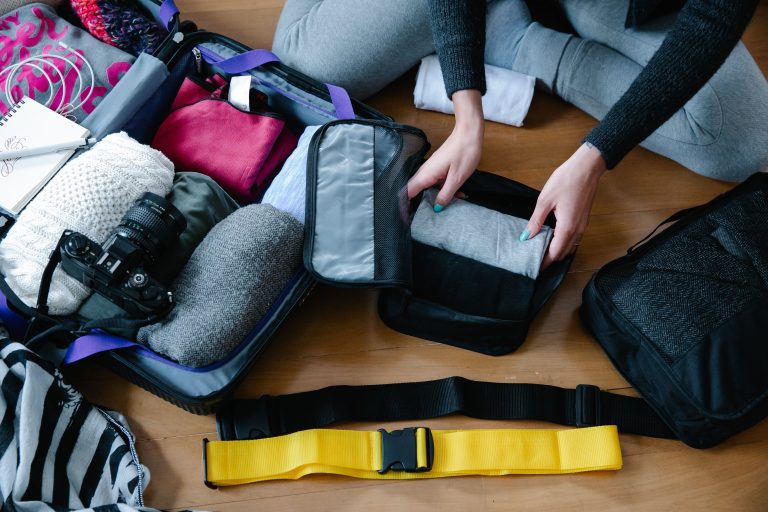
Antarctica is not a packing-light situation. But before you start buying cold weather gear, there’s one thing worth confirming first: what your cruise operator actually provides. Many operators include parkas and waterproof boots as part of the expedition package. Others don’t. That single detail can significantly change what you need to purchase, so check before you spend anything.
General Gear List:
Layering system
Cold weather dressing in Antarctica works in three layers. A moisture-wicking base layer that keeps sweat away from your skin. A mid layer, usually fleece or down, for insulation. And a waterproof outer layer on top of everything.
The conditions change quickly, and you’ll be moving between the ship, Zodiac boats, and landing sites, so being able to easily add and remove layers matters.
Waterproof everything
Waterproof jacket, waterproof pants, waterproof boots. You will get wet. Between sea spray on the Zodiac rides and landing on rocky shores, there is no dry version of this trip. Waterproofing is not optional.
Cold weather accessories
Gloves, hat, neck gaiter or balaclava. Bring more than one pair of gloves since wet gloves in Antarctic temperatures are miserable. Hand and foot warmers are worth packing as backup.
Sunscreen and UV Protection
Antarctica is freezing, so sunscreen is probably the last thing on your packing list. But snow reflects up to 80 percent of UV radiation, which means you’re basically getting hit by the same rays twice.
People get sunburned there all the time, and apparently you can burn in spots you’d never think of, like under your nose and behind your ears.
SPF 50 minimum. Apply it constantly, not just once before you go out. And yes, a little dab around your nostrils too. Burnt nostrils from UV reflection are apparently extremely painful, and that is not a souvenir I want to bring home.
Your eyes need protection too. Snow blindness is a real thing, basically sunburn of the eyes, and it’s as bad as it sounds. Wraparound UV sunglasses are essential, and bring a backup pair.
Losing your only pair on a Zodiac ride in the middle of Antarctica with no replacement option is not the kind of problem you want to be solving down there.
Also worth knowing: the ozone layer over Antarctica is thin, so the UV hits hard even on cloudy days. Don’t let an overcast sky fool you into skipping the sunscreen.
Camera gear
If you’re bringing a camera, cold weather affects battery life significantly. Bring extra batteries and keep them warm inside your jacket between shots. A waterproof bag or dry bag for your gear is worth having on the Zodiac rides.
What not to bring
This is an expedition cruise, not a regular cruise. The focus is entirely on the experience outside the ship, not onboard entertainment or formal dinners. Leave anything you’d pack for a regular cruise at home. Think practical, layerable, and waterproof. Everything else is extra weight.
I’m going to go much deeper on the gear list in a dedicated post once I get further into the planning process. But I’ve started an Amazon Gear list of everything I’m researching so far if you want to browse what’s on my radar.
Documents, Visas and Travel Insurance
The unglamorous but necessary part of the checklist.
Passport and visa
US citizens do not need a visa to enter Argentina for tourism. Your passport does need to be valid for at least six months beyond your travel dates, so check that well in advance and renew early if needed.
Travel insurance
This one is non-negotiable and worth saying clearly: standard travel insurance is not enough for Antarctica. You need a policy that specifically includes medical evacuation coverage.
If something goes wrong in Antarctic waters, getting you to a hospital is an extremely complex and expensive operation. A standard policy will not cover it.
When comparing policies, look for coverage that includes emergency medical evacuation from remote locations, trip cancellation specific to expedition travel, and coverage for the full trip cost including the cruise fare. Some policies exclude adventure or expedition travel by default, so read the fine print before you buy.
This is one area I haven’t fully researched yet. It’s on the list, and I’ll share what I find when I get there.
Health and Physical Prep
A couple of things worth knowing before you book.
Antarctica cruises involve more physical activity than a typical cruise. Zodiac landings require stepping in and out of small inflatable boats, often onto rocky, uneven terrain, in cold, wet conditions.
It’s not extreme, but it does require a basic level of mobility and fitness. If you have health conditions that affect your movement or cold tolerance, it’s worth discussing with your doctor before you book rather than after.
The Drake Passage is also worth being honest about. The stretch of ocean between South America and Antarctica is one of the roughest in the world. Some crossings are calm. Others are genuinely rough and last two full days each way.
Pack seasickness medication regardless of how well you normally handle boats. Most experienced travelers recommend starting it before symptoms hit, not after.
No specific vaccinations are required for Antarctica, but staying current on routine vaccines is always a good idea before any international trip.
The Estimated Cost: End to End
Most Antarctica planning posts quote the cruise price and stop there. Here’s a fuller picture based on everything covered in this checklist:
Cruise: $10,000 to $12,000 or higher
Flights to South America and Ushuaia: $800 to $1,200
Pre and post-cruise hotel nights in Ushuaia per night: $70 to $150
Gear (what isn’t provided by the operator): $300 to $600
Travel insurance with evacuation coverage: $300 to $600
Incidentals, excursion extras, food on travel days: $300 to $500
Realistic total: $12,000 to $16,000 – Still just an estimate
That’s the number most posts don’t show you. It’s also the number I’m working toward, starting from zero, on a freelance income, with 2.5 years on the clock. Which is exactly why I started this series now instead of waiting until it felt more realistic. While this trip could end up being significantly less, I want to be fully prepared for the worst.
This Is a Working List, Not a Finished One
Two and a half years out, this checklist is a starting point, not a final answer. Some of these sections are more figured out than others. The cruise operator decision is still wide open. The South America leg is still being mapped. The gear list is growing. The insurance research hasn’t happened yet.
But that’s the point of starting now. The more I understand what this trip actually involves, the better positioned I’ll be when it’s time to make real decisions and real bookings.
If you’re just finding The Polar Plan and want to read where this whole thing started, including the honest starting line, the $0 savings, and everything currently standing in my way, that’s in the first post. Read: The Polar Plan: My Honest $12,000 Antarctica Cruise Goal.
The tracker on The Polar Plan page updates as things actually happen. Come back and check it. There’s a lot more coming.
Antarctica FAQ’s
How much does an Antarctica cruise actually cost?
The cruise itself can start at around $10,000, but that’s not the real number. With flights to Ushuaia, pre- and post-cruise hotels, gear, and evacuation-grade travel insurance, the realistic end-to-end total is higher. Most posts only quote the cruise price.
When is the best time to take an Antarctica cruise?
The season runs November through March. November has pristine snow and lower prices; December and January have peak wildlife and nearly 24-hour daylight at peak prices, and February and March are best for whales. Peak dates book 12 to 18 months in advance.
How do you get to Antarctica?
Almost all cruises depart from Ushuaia, Argentina, the southernmost city in the world. Most travelers route through Buenos Aires, then fly south. Arrive at least one to two days before departure, because the ship will not wait.
Do you need a visa for an Antarctica cruise?
No visa is required for Antarctica itself. US citizens also don’t need a visa for Argentina as tourists, but your passport must be valid at least six months beyond your travel dates.
How rough is the Drake Passage?
It’s one of the roughest stretches of ocean in the world, about two days each way. Some crossings are calm, some are not. Bring seasickness medication regardless of how well you normally handle boats, and start it before symptoms hit.
Can you walk on Antarctica from any cruise ship?
No. Ships carrying more than 500 passengers aren’t permitted to land at all, and even on smaller ships only 100 people can be ashore at once. If setting foot on the continent matters to you, book an expedition ship under 500 passengers.
Save this post to Pinterest ⬇️