Affordable Education in Europe: How to Study Abroad Without Debt
Written by Rita Serra | Updated July 15, 2026
Heads up! This post contains affiliate links, which means I may earn a small commission if you purchase at no extra cost to you. I only recommend what I truly believe in, and your support helps keep this site running and free to access.
Affordable education is no longer out of reach for Americans weighed down by student loans. At home, tuition often ranges between $10,000 and $40,000 per year, leaving graduates with substantial debt for decades.
What many don’t realize is that Europe offers high-quality education, often tuition-free and at a cost of under $2,000 per year, even for non-EU students like Americans.
This guide breaks down the countries where Americans can study, what tuition looks like for bachelor’s and master’s programs, which universities teach in English, where to apply, and what else to consider before packing your bags.
Beyond cost savings, studying abroad also means cultural immersion, international experience, and the chance to earn a degree that’s respected worldwide.

Germany
Germany is one of the best-kept secrets for American students seeking affordable education in Europe. Most public universities generally don’t charge a dime for undergraduate or consecutive master’s programs. Yes, you read that right, tuition-free, no matter your nationality.
All you’ll pay are small semester fees, often just a few hundred euros, while getting the same high-quality education as local students.
Although most of Germany offers tuition-free study, Baden-Württemberg is an exception. Since 2017, this state in southwest Germany, which includes major cities such as Stuttgart, Heidelberg, Mannheim, and Freiburg, has required non-EU students, including Americans, to pay tuition.
The only real budget hurdle? Daily life. Cities like Munich and Hamburg can be pricey, but overall, the value is hard to beat.
Tuition Fees for Bachelor’s and Master’s
Baden-Württemberg is the only state in Germany that charges tuition for non-EU students. Since 2017, Americans studying at public universities in cities like Stuttgart, Heidelberg, Mannheim, and Freiburg must pay €1,500 per semester. This fee was introduced to help cover the state’s education costs, while the rest of Germany’s public universities remain tuition-free.
Admin Fees
- Most public universities charge no tuition fees, making Germany one of the best choices for affordable education.
- Students do pay a semester fee: €150–€350 per semester. Covers public transport, student union, and facilities.
Extended Study Period
- Germany sets a standard length of study for each degree program.
- If you go well beyond this timeframe, some universities may begin charging tuition fees.
- These costs vary by state and university, but finishing within the standard period helps you avoid unexpected expenses.
Bachelors
To apply to a German university as an American, you’ll need proof that you meet the academic entry requirements. For a bachelor’s degree, that usually means a U.S. high school diploma along with standardized test results (such as SAT, ACT, or AP exams) to demonstrate equivalency to German secondary education.
Masters
For a master’s degree, you’ll need a relevant bachelor’s degree in the same or a closely related field. Some programs may also ask for language certificates, either in German (TestDaF, DSH) or English (TOEFL, IELTS), depending on the program’s language of instruction.
Age Limit
Germany does not impose an official age limit for studying, so anyone can access German higher education. However, age can affect costs and student benefits. Students under 30 can usually access low-cost student health insurance and qualify for discounted public transport and housing options. Once you are over 30, you’ll need to switch to regular health insurance, which is significantly more expensive, and many student discounts no longer apply. That said, admission itself is never restricted by age, making Germany an option for both traditional students and adults returning to education.
Document Authentication for Americans
Most European universities won’t accept a plain copy of your diploma or transcripts. As an American, you’ll usually need an apostille, which certifies your documents for international use. You can get this from the Secretary of State in the state where your school issued the diploma.
Some schools may accept notarization, but most prefer an apostille. If documents need to be in the local language, you’ll also need a certified translation. In some countries, like Germany, services such as Uni-Assist verify your paperwork, while in places like Italy and Spain the consulate may be involved.
? Tip: Request your apostille early, since processing can take several weeks and you’ll need it before applying for your visa.
English Programs and Where to Apply
One of the biggest questions for Americans is whether you can study in English. The answer depends on the country and level of study:
- Bachelor’s Degrees:
- Most are taught in German.
- Some English-taught options exist in engineering, business, international studies, and liberal arts.
- Master’s Degrees:
- Wide selection of English-taught programs across STEM, economics, social sciences, and humanities.
- Strong option for Americans seeking graduate study in English.
- Language Note:
- Even if classes are in English, some programs ask for basic German skills.
- Useful for daily life and university administration.
Application Process
- Apply through Uni-Assist (credential evaluation service) or directly to the university.
- Best to apply from the U.S., since you’ll need an admission letter for your student visa.
- You can apply from inside Germany, but the visa process is easier if done from home.
Universities & Links in Germany
Germany is home to some of the most respected universities in the world, many of which welcome international students. Here are a few of the best-known options where Americans often apply:
- Ludwig Maximilian University of Munich (LMU Munich): One of Europe’s oldest universities, known for humanities, social sciences, and natural sciences.
- Technical University of Munich (TUM): A leading choice for engineering, technology, and business programs, with several English-taught master’s degrees.
- Humboldt University of Berlin: Famous for its history and research, particularly in humanities, social sciences, and natural sciences.
- University of Heidelberg: Germany’s oldest university, highly ranked in medicine, law, and sciences.
- University of Freiburg: Known for its liberal arts programs, international outlook, and strong research across disciplines.
- University of Berlin: Offers many programs with an international focus, particularly in political science, economics, and area studies.
- RWTH Aachen University: Specializes in engineering and applied sciences, with strong ties to industry and research.
Important Links for Applications and Visas
- Uni-Assist: Central application service that evaluates international student applications for many German universities.
- DAAD (German Academic Exchange Service): A must-visit site for scholarships, program searches, and step-by-step application help.
- Make it in Germany – Student Visa Info: Official German government portal explaining visa requirements for international students.

Austria
Austria is often overlooked, but for Americans seeking affordable education, it’s a hidden gem. Americans find a rare mix here: low tuition, historic universities, and a high quality of life.
Public universities keep tuition predictable and low, giving students access to respected degree programs without the overwhelming costs of U.S. college.
Beyond academics, Austria’s higher education system is known for quality, while the lifestyle offers safety, culture, and a strong student community. For those considering study abroad, Austria blends academic opportunity with a vibrant cultural experience.
The cost of living sits in the middle for Europe. Vienna is pricier, but cities like Graz and Linz remain affordable. For Americans, Austria offers both education and adventure, making it a smart choice abroad.
Tuition & Fees for Bachelor’s and Master’s
- Non-EU students, including Americans, pay €726.72 per semester at public universities, which makes Austria one of Europe’s most affordable education options.
- A small student union fee (around €20) brings the total to about €750 per semester.
- Costs apply to both bachelor’s and master’s degree programs.
- Extra fees may apply if you go beyond the standard study period.
Extended Study Period
- Austria allows a “standard study period” for each degree, usually the official length plus two extra semesters.
- If you exceed this period, tuition fees increase slightly.
- Staying on track helps you keep costs low.
Bachelors
To apply as an American, you need proof of completing secondary education. A U.S. high school diploma is usually accepted, but universities may ask for standardized test scores (such as SAT, ACT, or AP exams) to demonstrate equivalency with Austria’s entry requirements. Some programs also require additional documents, depending on the field of study.
Masters
For a master’s program, you’ll need a completed bachelor’s degree in a related field. Some universities ask for proof of English proficiency (TOEFL or IELTS) if you apply to English-taught programs, while German-taught programs may require a recognized German language certificate.
Age Limit
Austria has no formal age limit for admission, which makes higher education accessible at any stage of life. Younger students often benefit from reduced-cost student health insurance, discounted public transport, and priority access to student dorms. Once students turn 30, health insurance premiums increase and many discounts phase out, which can raise living expenses. However, admission itself is always based on academic criteria, so Americans of any age can pursue a degree here.
Document Authentication for Americans
Like most European countries, Austria requires official verification of your diploma and transcripts. You’ll usually need an apostille, which certifies U.S. documents for international use.
This can be obtained from the Secretary of State in the state where your school issued the diploma. Some universities may accept notarized copies, but most prefer the apostille. If your documents aren’t in German, you’ll also need a certified translation.
? Tip: Request your apostille early, since processing can take several weeks and you’ll need it before applying for your visa.
English Programs and Where to Apply
One of the biggest questions for Americans is whether you can study in English. The answer depends on the country and level of study:
- Bachelor’s Degrees:
- Most undergraduate programs are taught in German.
- Bachelor’s degree programs in English are rare, though some exist in international business and cultural studies.
- Master’s Degrees:
- At the master’s level, Austria offers a wide range of English-taught education. Popular fields include economics, political science, international relations, and environmental studies.
- Language Note:
- Even if your program is in English, daily life in Austria requires some German.
- Universities often recommend at least a beginner’s level of German for integration and administrative tasks.
Application Process
Applications are made directly to the university, usually from the U.S., so students can secure their acceptance letters for visas. This makes Austria an attractive study abroad option for Americans seeking affordable education.
Universities & Links in Austria
Austria is home to some of Europe’s oldest and most respected universities. Many of them welcome international students, including Americans. Here are a few strong options to consider:
- University of Vienna: One of the largest universities in Europe, offering a wide range of programs, including some English-taught master’s degrees.
- Vienna University of Economics and Business (WU): A top choice for economics, finance, and business studies, with several international programs in English.
- Graz University of Technology: Known for engineering, computer science, and natural sciences, with select English master’s options.
- Johannes Kepler University Linz: Offers innovative programs in social sciences, economics, and technology, with a growing selection of English courses.
Important Links for Applications and Visas
- Study in Austria: The official portal for information on universities, programs, and admissions.
- Austrian Visa Info: Official government site explaining visa requirements for international students.

Greece
Greece offers Americans an affordable and unique path to higher education, with low tuition costs at public universities and a strong emphasis on history, culture, and community life.
Public universities typically charge modest fees for non-EU students, making it possible to pursue a degree without the financial burden common in the U.S.
Beyond academics, Greece provides a rich living experience, from the vibrant streets of Athens to the island landscapes of Crete and Rhodes. Daily life blends ancient traditions with a laid-back Mediterranean lifestyle, where food, family, and social connections play a central role.
While the cost of living in Athens can be higher, smaller cities remain budget-friendly. With accessible education and an enriching cultural backdrop, Greece is a compelling option for Americans looking to combine studies with a slower, more connected way of life abroad.
Tuition Fees for Bachelor’s and Master’s
Americans and other non-EU students typically pay around €1,500–€2,000 per year at public universities. This fee structure applies to both bachelor’s and master’s degrees.
Admin Fees
Students pay small registration or administration fees, usually under €100 per year. These fees cover student services, exams, and university facilities.
Extended Study Period
- Greek universities set a standard study period for each degree, but students often have flexibility if they take longer.
- While tuition fees remain low, extended delays may require additional registration costs.
- Staying on schedule ensures you keep expenses predictable.
Bachelors
To apply for a bachelor’s program in Greece, Americans need proof of secondary education. A U.S. high school diploma is required, along with transcripts. Some universities may request standardized test scores (SAT or ACT) or additional documentation to verify equivalency with Greek requirements.
Masters
For a master’s degree, you’ll need a bachelor’s in a related field. If you choose an English-taught program, universities will likely ask for proof of English proficiency (TOEFL or IELTS). For Greek-taught programs, a recognized certificate in the Greek language may be necessary.
Age Limit
Greece also places no age restrictions on university enrollment. Younger students usually secure spots in affordable student housing and qualify for reduced transport passes, which helps lower living costs. Older students often rent private apartments or share flats, especially in larger cities like Athens and Thessaloniki, where student housing is limited. While financial perks may vary by age, eligibility for admission does not, making Greece an option for both traditional students and midlife learners.
Document Authentication for Americans
Greek universities typically require an apostille on U.S. diplomas and transcripts, which certifies them for international use. You can obtain this through the Secretary of State where your school issued the diploma. Most schools also require certified translations of your documents into Greek if the originals are in English.
? Tip: Request your apostille early, since processing can take several weeks and you’ll need it before applying for your visa.
English Programs and Where to Apply
One of the biggest questions for Americans is whether you can study in English. The answer depends on the country and level of study:
- Bachelor’s Degrees:
- Most bachelor degree programs in Greece are taught in Greek.
- A limited number of English-taught undergraduate programs exist, especially in tourism, archaeology, history, and international studies.
- Master’s Degrees:
- Greece offers a growing selection of English-taught master’s programs, particularly in business, archaeology, shipping and maritime studies, history, and international relations.
- These are especially popular in Athens and Thessaloniki.
- Language Note:
- Even if you study in English, daily life in Greece will require some basic Greek.
- Universities often encourage students to take Greek language courses for integration.
Application Process
- Applications are submitted directly to the universities.
- For Americans, it’s best to apply from the U.S. so you can secure an admission letter needed for your visa.
- You can also apply from inside Greece, but completing the visa process is generally easier before arrival.
Universities & Links in Greece
Greece is home to some of Europe’s oldest universities, blending academic tradition with modern research opportunities. Many institutions are welcoming more international students, including Americans, through low-cost degree programs and an increasing number of English-taught options. Here are a few strong choices:
- National and Kapodistrian University of Athens (NKUA): One of the oldest universities in Greece, offering programs in law, medicine, philosophy, and humanities. Some English-taught master’s programs are available.
- Aristotle University of Thessaloniki: The largest university in Greece, with diverse programs in sciences, arts, and engineering. Hosts several English-taught master’s options.
- Athens University of Economics and Business (AUEB): Specializes in business, economics, and management programs, including international business courses in English.
- University of Crete: Known for research and innovation, with programs in sciences, humanities, and social sciences, plus select English-taught master’s degrees.
- University of Piraeus: Strong focus on economics, shipping, and maritime studies, with international programs highly relevant to Greece’s global industries.
Important Links for Applications and Visas
- Study in Greece: Official portal with information on programs, admissions, and student life.
- Ministry of Education, Greece: Provides official updates on higher education policies.
- Hellenic Republic – Visa Information: Official government site with visa requirements for international students.

Spain
Spain offers Americans an affordable and exciting path to higher education, with low tuition at public universities and a strong focus on academic excellence.
Public institutions charge modest fees for non-EU students, making it possible to earn a degree without the overwhelming debt faced in the U.S. Beyond the classroom, Spain provides a vibrant lifestyle, from the historic streets of Madrid and Barcelona to the coastal charm of Valencia and Seville.
Daily life revolves around community, food, and culture, with traditions like tapas and late-night gatherings shaping the student experience. While larger cities carry higher living costs, smaller towns and university cities remain budget-friendly.
With accessible education and a rich cultural atmosphere, Spain is a compelling choice for Americans who want both quality learning and an immersive European experience.
Tuition Fees for Bachelor’s and Master’s
Americans and other non-EU students pay based on credits rather than a flat yearly rate. Tuition usually ranges from €12–€30 per ECTS credit, which equals about €750–€2,100 per year for bachelor’s degrees. Master’s programs are slightly higher but remain far below the cost of U.S. universities.
Admin Fees
- Students pay additional enrollment or matriculation fees, typically €200–€400 per year.
- Universities may also charge small student service fees, usually under €100 annually.
Extended Study Period
- Spanish universities set a standard duration for each program, but extensions are sometimes possible.
- Extending your studies may require paying for additional credits, which increases yearly tuition.
- Finishing on time helps you keep your total costs manageable.
Bachelors
To apply for a bachelor’s degree in Spain, Americans need a U.S. high school diploma. In addition, most universities require credential recognition through UNEDassis, which evaluates foreign qualifications. Some programs may also request standardized test results or subject-specific requirements.
Masters
For a master’s degree, you’ll need a bachelor’s in a related field. English-taught programs require proof of English proficiency (TOEFL or IELTS), while Spanish-taught programs require proof of Spanish proficiency (DELE or SIELE certificates).
Age Limit
Spain does not restrict admission by age, so Americans can begin studies at any stage of life. Younger students often take advantage of university residences, student meal plans, and transportation discounts that keep living costs low. Older students usually rent apartments or share housing in the city, which can be more expensive but offers greater independence. Regardless of age, admission decisions focus on academic requirements rather than personal circumstances.
Document Authentication for Americans
American diplomas and transcripts usually need an apostille for international recognition. This can be obtained from the Secretary of State where the diploma was issued. Certified translations into Spanish are also required if the originals are in English.
? Tip: Request your apostille early, since processing can take several weeks and you’ll need it before applying for your visa.
English Programs and Where to Apply
One of the biggest questions for Americans is whether you can study in English. The answer depends on the country and level of study:
- Bachelor’s Degrees:
- A growing number of English-taught options exist, particularly in business, tourism, and STEM fields.
- However, most undergraduate programs are still taught in Spanish.
- Master’s Degrees:
- Spain offers many English-taught master’s programs in economics, business, engineering, and social sciences.
- These programs are especially common in large cities like Madrid and Barcelona.
- Language Note:
- Even if your program is taught in English, everyday life in Spain requires at least basic Spanish.
- Universities often encourage students to take Spanish language courses.
Application Process
- Bachelor’s applicants must submit documents through UNEDassis for credential evaluation, then apply directly to universities.
- Master’s applicants usually apply directly to the university of choice.
- Americans should apply from the U.S. to secure an acceptance letter before beginning the visa process.
Universities & Links in Spain
Spain is home to some of the most historic and well-respected universities in Europe. Many institutions are expanding their international programs, making them more accessible to Americans through English-taught courses and affordable tuition. Here are a few top choices to explore:
- Complutense University of Madrid: One of Spain’s largest and oldest universities, offering a wide range of programs in humanities, sciences, and social studies.
- University of Barcelona: A top-ranked institution known for research and innovation, with a growing selection of English-taught master’s programs.
- Pompeu Fabra University (Barcelona): Focused on economics, business, and social sciences, with strong international links.
- Carlos III University of Madrid: Offers several English-taught degrees, particularly in business, economics, and political science.
- University of Valencia: Known for strong programs in science, health, and engineering, along with a vibrant student community.
Important Links for Applications and Visas
- UNEDassis: Credential recognition service for foreign diplomas.
- Study in Spain: Portal with program listings and information for international students.
- Spanish Student Visa Info: Official visa guidance for U.S. students.
Italy
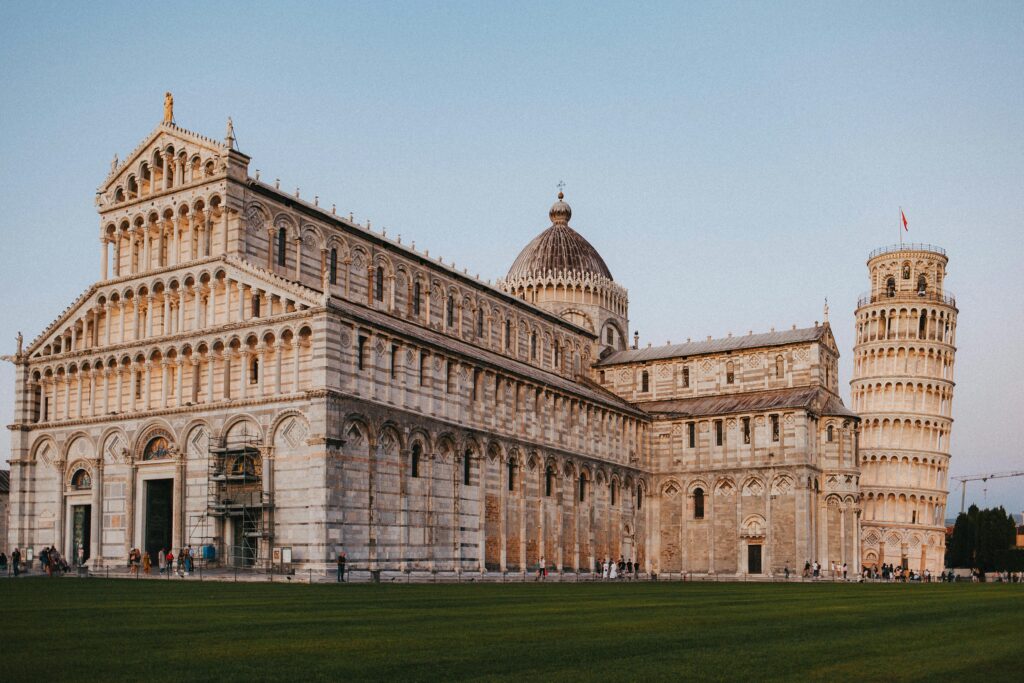
Italy is one of the most affordable destinations in Europe for American students who want a respected degree and a rich cultural experience.
Public universities keep tuition low, often adjusting fees based on family income. For many Americans, this means paying only a fraction of what they would in the U.S. Beyond the classroom, Italy offers history, art, and food at every corner, from the ancient ruins in Rome to the canals of Venice and the fashion capital of Milan.
While larger cities can be more expensive, smaller university towns such as Bologna and Padua provide a lively yet budget-friendly student lifestyle. With its combination of accessible education and vibrant culture, Italy makes a strong case for Americans seeking both academics and adventure.
Tuition Fees for Bachelor’s and Master’s
Public universities charge between €500 and €2,000 per year, depending on income documentation. The same cost structure applies to both bachelor’s and master’s programs.
Admin Fees
- Students pay a regional tax of €140–€200 per year.
- Additional small costs include a stamp duty or enrollment fee of €30–€60.
Extended Study Period
- Each program has a defined length plus a limited grace period.
- If you take longer, fees may increase, though they remain far below U.S. tuition costs.
- Staying within the standard study period ensures the lowest overall cost.
Bachelors
Americans need a U.S. high school diploma and must complete pre-enrollment at the Italian consulate in the U.S. This step is required before applying for a student visa. Some programs, such as medicine, architecture, and engineering, require additional entrance exams.
Masters
Applicants must hold a bachelor’s degree in a related field. English-taught programs require proof of English proficiency (TOEFL or IELTS). Italian-taught programs require at least a B2 level in Italian, often verified by a certified exam.
Age Limit
Italy does not restrict university admission by age. Students under 30 often qualify for discounted transport and subsidized dormitory housing. Older students usually rent private apartments, especially in larger cities like Rome or Milan. Admission is always based on academic readiness, not age.
Document Authentication for Americans
U.S. diplomas and transcripts must carry an apostille. Certified Italian translations are also required. Processing can take several weeks, so it’s best to start early.
? Tip: Request your apostille early, since processing can take several weeks and you’ll need it before applying for your visa.
English Programs and Where to Apply
One of the biggest questions for Americans is whether you can study in English. The answer depends on the country and level of study:
- Bachelor’s Degrees:
- A limited but growing number of English-taught bachelor’s programs exist, particularly in business, design, and international studies.
- Most undergraduate programs are still in Italian.
- Master’s Degrees:
- Many English-taught master’s programs are available, especially in engineering, design, economics, and international relations.
- These programs are concentrated in cities like Milan, Bologna, and Rome.
- Language Note:
- Even if your program is in English, daily life in Italy requires basic Italian.
- Universities often offer free or low-cost Italian language courses for international students.
Application Process
- Pre-enrollment must be completed through the Italian consulate in the U.S. before applying for a visa.
- Applications are then submitted directly to the chosen university.
Universities & Links in Italy
Italy is home to some of the oldest and most prestigious universities in the world, many of which welcome international students. Here are a few strong options:
- University of Bologna: The oldest university in Europe, well known for law, humanities, and political science.
- Sapienza University of Rome: One of the largest universities in Europe, offering a wide range of programs, including English-taught master’s degrees.
- University of Milan: A top research university with strong programs in economics, medicine, and social sciences.
- Politecnico di Milano: Specializes in engineering, architecture, and design, with many programs offered in English.
- University of Padua: Known for research and innovation, especially in science and medicine.
Important Links for Applications and Visas
- Study in Italy Portal: Official resource for program listings and scholarships.
- Italian Consulates – Pre-enrollment: Required pre-enrollment process for Americans before applying for a visa.
France
France attracts American students with world-class universities, affordable tuition, and a lifestyle centered on culture, art, and food.
Public universities charge only a fraction of U.S. costs, and many waive higher non-EU tuition, making degrees even more accessible. Students enjoy vibrant city life in Paris, Lyon, or Marseille, or choose smaller towns with lower living expenses.
From studying political science at Sciences Po to immersing yourself in French history at the Sorbonne, France offers both academic prestige and cultural immersion.
With its mix of affordable education, global reputation, and a chance to live in one of the most visited countries in the world, France is a compelling destination for Americans.
Tuition Fees for Bachelor’s and Master’s
Official non-EU tuition: €2,770 per year for bachelor’s and €3,770 per year for master’s. Many universities waive these fees, charging Americans the same as EU students (~€200–€400 per year).
Admin Fees
- All students pay the CVEC fee of about €95 per year.
Extended Study Period
- Universities set a standard length for each degree.
- If you exceed the time frame, you may need to re-register, adding small administrative costs.
- Staying on schedule keeps expenses predictable.
Bachelors
Americans need a U.S. high school diploma. Some programs may require subject-specific preparation, especially in sciences or medicine. Applications are managed through Campus France, which evaluates qualifications.
Masters
Applicants must hold a bachelor’s degree in a relevant field. English-taught programs require TOEFL or IELTS scores. French-taught programs typically require at least a B2 level of proficiency, proven through DELF or DALF exams.
Age Limit
France doesn’t set an upper age limit for university admission, and it’s common to see both young and older students in the classroom. If you’re under 30, you can tap into France’s generous student benefits, including the national health insurance system at a reduced rate and priority access to CROUS student housing. Once you pass 30, you’ll need to arrange standard health insurance and often turn to private rentals in the city. While the perks shift with age, the door to education stays open no matter your stage of life.
Document Authentication for Americans
American diplomas and transcripts need an apostille. Certified French translations are required for documents issued in English.
? Tip: Request your apostille early, since processing can take several weeks and you’ll need it before applying for your visa.
English Programs and Where to Apply
One of the biggest questions for Americans is whether you can study in English. The answer depends on the country and level of study:
- Bachelor’s Degrees:
- Most undergraduate programs are taught in French.
- Limited English-taught bachelor’s options exist in business, STEM, and international studies.
- Master’s Degrees:
- France offers a wide range of English-taught master’s programs in business, engineering, social sciences, and humanities.
- Popular choices include international business, political science, and environmental studies.
- Language Note:
- Even if enrolled in an English program, everyday life in France requires at least some French.
- Many universities offer French language support to help international students integrate.
Application Process
- All applications for Americans go through Campus France.
- This process must be started from the U.S. before applying for a student visa.
Universities & Links in France
France is home to some of the most recognized universities in the world. Here are strong options for international students:
- Sorbonne University: Famous for humanities, law, and sciences.
- Sciences Po: A leading university for political science and international relations, offering many English-taught programs.
- University of Strasbourg: Strong in sciences, humanities, and social sciences with international student support.
- Aix-Marseille University: One of France’s largest universities with diverse programs and a growing number of English options.
Important Links for Applications and Visas
- Campus France: Centralized application system for international students.
- French Visa Portal: Official resource for visa requirements.
Poland
Poland is quickly becoming a favorite study destination for international students, including Americans, thanks to its low tuition fees, affordable cost of living, and growing number of English-taught programs.
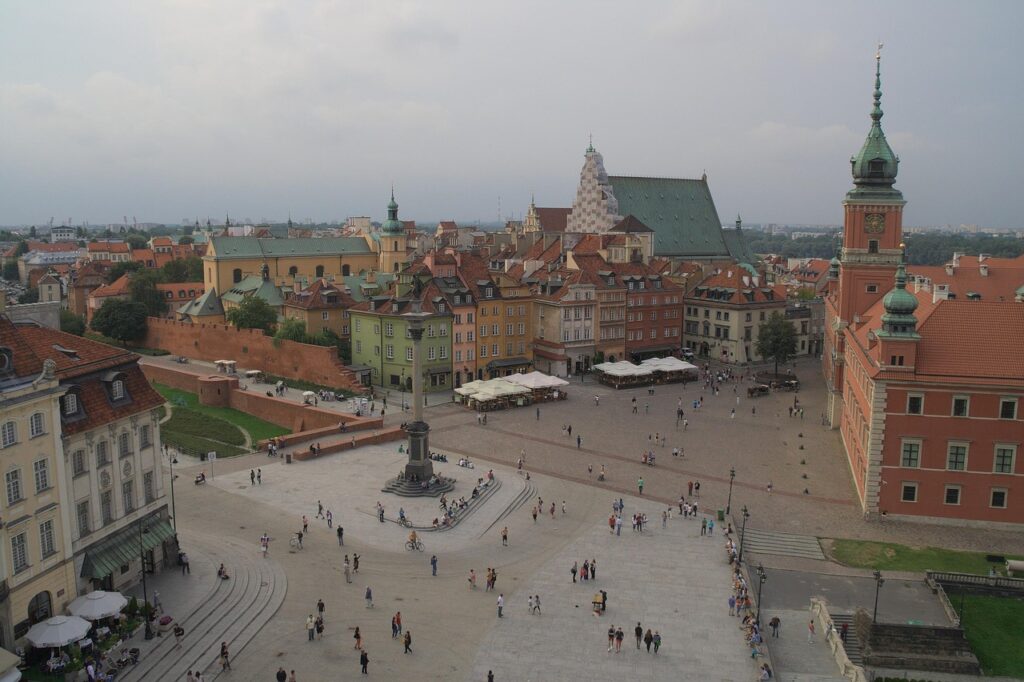
Beyond academics, Poland offers a blend of medieval towns, vibrant cities, and a strong cultural identity shaped by centuries of history.
Warsaw and Kraków are lively hubs with international communities, while smaller cities like Wrocław and Lublin provide a more traditional student atmosphere at lower living costs.
Poland also stands out for its modern universities paired with a budget-friendly lifestyle, making it one of Europe’s most cost-effective study abroad options.
Tuition Fees for Bachelor’s and Master’s
- Tuition for Americans usually ranges from €2,000–€4,000 per year at public universities.
- Fees are generally the same for both bachelor’s and master’s degrees.
- Medicine and specialized fields can cost more, up to €10,000 per year.
Admin Fees
- Small enrollment or registration fees apply, typically under €200 per year.
- Additional costs may include student ID fees or exam fees, depending on the program.
Extended Study Period
- Poland sets a standard duration for degrees, but many universities allow flexibility.
- Extra semesters usually require payment of additional tuition, though the rates remain affordable compared to Western Europe.
Bachelors
Americans need a U.S. high school diploma. Some programs may ask for transcripts showing specific subject preparation (especially in sciences or math-heavy courses). Entrance exams may be required for competitive fields such as medicine.
Masters
Applicants must hold a bachelor’s degree in a related field. For English-taught programs, proof of English proficiency is needed (TOEFL, IELTS, or equivalent). For Polish-taught programs, a certificate in Polish is required.
Age Limit
Poland does not restrict entry based on age. Younger students often live in affordable dormitories, which cost significantly less than private housing. Older students usually rent apartments, though rents remain low compared to most of Europe. It’s also common to see older international students in master’s and professional programs, so you won’t be out of place if you’re returning to study later in life.
Document Authentication for Americans
U.S. diplomas and transcripts require an apostille for international recognition. Certified translations into Polish are also needed if your documents are in English.
? Tip: Request your apostille early, since processing can take several weeks and you’ll need it before applying for your visa.
English Programs and Where to Apply
One of the biggest questions for Americans is whether you can study in English. The answer depends on the country and level of study:
- Bachelor’s Degrees:
- An increasing number of bachelor’s programs are taught in English, particularly in business, international relations, IT, and engineering.
- Medical programs taught in English are especially popular among Americans.
- Master’s Degrees:
- Many English-taught master’s programs are available, particularly in economics, computer science, medicine, and engineering.
- These programs are most common in major cities like Warsaw, Kraków, and Wrocław.
- Language Note:
- Even in English programs, learning basic Polish is strongly recommended for daily life and integration.
- Universities often provide free or low-cost Polish language courses for international students.
Application Process
- Applications are submitted directly to each university.
- It’s best to apply from the U.S. so you can secure an acceptance letter before applying for a student visa.
Universities & Links in Poland
Poland has a long academic tradition, with several universities ranked among the best in Central Europe. Many institutions are expanding their international offerings to attract more students from abroad.
- University of Warsaw: The largest university in Poland, offering a wide range of programs, including many in English.
- Jagiellonian University (Kraków): One of Europe’s oldest universities, known for humanities, social sciences, and medicine.
- Warsaw University of Technology: Specializes in engineering, technology, and applied sciences, with several English-taught programs.
- Wrocław University of Science and Technology: Offers strong programs in IT, engineering, and natural sciences.
- Medical University of Gdańsk: Popular with international students for English-language medical programs.
Important Links for Applications and Visas
- Study in Poland: Official portal with program listings and admissions guidance.
- NAWA – Polish National Agency for Academic Exchange: Provides scholarships and information for international students.
- Polish Government Visa Info: Official visa requirements for U.S. citizens.

Czech Republic
The Czech Republic is one of Europe’s best-kept secrets for affordable higher education. Public universities often allow students to study for free if they enroll in Czech-taught programs, while English-taught options are still very inexpensive compared to the U.S.
The country itself offers a rich student lifestyle, with Prague frequently ranked among the best cities in the world for students.
Beyond the capital, towns like Brno and Olomouc provide strong academic communities at even lower living costs. With its combination of academic freedom, affordability, and Central European charm, the Czech Republic has become a top choice for Americans looking to study abroad without heavy debt.
Tuition Fees for Bachelor’s and Master’s
- Programs taught in Czech are tuition-free for all students, including Americans.
- Programs taught in English or other languages usually cost €2,000–€5,000 per year, depending on the field and university.
Admin Fees
- Small enrollment or exam fees may apply, generally under €100 per semester.
- Some universities also charge administrative costs for English-taught programs.
Extended Study Period
- Tuition-free Czech programs apply only if students complete degrees within the standard timeframe.
- Extending studies beyond the allotted period may lead to extra fees.
Bachelors
Americans need a U.S. high school diploma. Some competitive programs (such as medicine, law, or technical degrees) may require entrance exams. If applying for a Czech-taught program, students must demonstrate Czech language skills through a proficiency test.
Masters
Applicants must hold a bachelor’s degree in a related field. For English-taught programs, TOEFL or IELTS scores are required. For Czech-taught master’s programs, a recognized Czech language certificate is necessary.
Age Limit
The Czech Republic has no upper age limit for admission. Younger students often take advantage of low-cost student dorms and heavily discounted public transportation. Students over 26 lose eligibility for some transport and cultural discounts, but admission remains unaffected. It’s increasingly common to see older students in English-taught master’s programs, making campuses diverse in age and background.
Document Authentication for Americans
American diplomas and transcripts usually require an apostille. Certified Czech translations are required for official use.
? Tip: Request your apostille early, since processing can take several weeks and you’ll need it before applying for your visa.
English Programs and Where to Apply
One of the biggest questions for Americans is whether you can study in English. The answer depends on the country and level of study:
- Bachelor’s Degrees:
- English-taught bachelor’s programs are available, mainly in business, international relations, and engineering.
- Medicine and dentistry in English are particularly popular with international students.
- Master’s Degrees:
- The Czech Republic offers a large number of English-taught master’s programs in economics, political science, IT, and natural sciences.
- Many are concentrated in Prague and Brno.
- Language Note:
- Czech-taught programs are free, so learning Czech can save significant money.
- Even if you study in English, basic Czech helps in daily life.
Application Process
- Applications are made directly to the university.
- Americans should apply from the U.S. to receive admission letters for their visa process.
Universities & Links in Czech Republic
Czech universities are known for their long academic traditions and strong international ties. Many rank highly in Europe and welcome thousands of international students each year.
- Charles University (Prague): Founded in 1348, one of the oldest universities in Europe, offering diverse programs in both Czech and English.
- Czech Technical University in Prague (CTU): Specializes in engineering, IT, and architecture, with many English-taught degrees.
- Masaryk University (Brno): A leading research university with strong programs in social sciences, law, and life sciences.
- Palacký University Olomouc: Known for medicine, humanities, and sciences, with a welcoming student community.
- University of Economics, Prague (VŠE): Strong reputation for business, management, and economics, with multiple international programs.
Important Links for Applications and Visas
- Study in the Czech Republic: Official portal for international students.
- Czech Ministry of Education: Official education authority.
- Czech Visa Information: Government resource for visa requirements.
What to Keep in Mind Before Studying Abroad
Studying abroad isn’t just about cutting tuition costs; it’s about stepping into an entirely different way of learning and living. While Europe offers Americans affordable degrees and the chance to experience new cultures, it’s important to understand that the education system itself often works very differently than in the U.S. Class structures, teaching styles, grading systems, and even the way professors interact with students can feel unfamiliar at first.
That’s why it helps to go in with open eyes. Speak with students who have already studied abroad, ask about their experiences, and learn what challenges surprised them. Living abroad means adapting not only to a new country but also to a new academic culture. If you’re prepared for the differences, you’ll be far more likely to thrive and enjoy everything that comes with earning your degree in Europe. If you’re unsure about whether moving abroad is the right step, or which country might fit you best, check out my guide: Debating Moving Abroad? Find the Best Country for You!
Save to Pinterest ⬇️

Travel More, Spend Less With These Resources
Travel Essentials
World Nomads
A trusted travel insurance provider designed for adventurous travelers. It covers emergencies, medical care, and trip interruptions, making it ideal for long-term or frequent travelers who need flexible, reliable protection.
Revolut
A digital banking app that makes managing money abroad simple. It lets you hold multiple currencies, avoid hidden exchange fees, and send money internationally at competitive rates. Perfect for travelers and expats who want a secure, flexible way to manage daily spending overseas.
Airalo
Affordable eSIMs for staying connected abroad.
Getting Around
Discover Cars
A global car rental comparison site that helps you find affordable rental options across 145+ countries. It’s perfect for travelers who want the freedom to explore destinations beyond public transport routes.
Experiences & Activities
Get Your Guide
An activity booking platform where you can find tours, local experiences, and skip-the-line tickets in destinations worldwide. Great for solo travelers who want curated experiences with trusted providers.
Viator
A trusted platform for booking tours and activities around the world. It’s perfect if you want unique experiences, skip-the-line tickets, and curated adventures led by local guides.
Accommodation
Hostelworld
The go-to platform for booking hostels, especially popular among budget-conscious and solo travelers. It’s ideal if you want affordable stays, community events, and the chance to meet fellow travelers, one of the easiest ways to travel more, spend less, while still connecting with people on the road.
Booking.com
The go-to platform for booking hotels, guesthouses, and apartments worldwide. It’s ideal if you want flexibility, affordable options, and the security of free cancellation on many stays.
VPN
Surfshark
A reliable VPN service that keeps your online activity private and secure while traveling. It’s ideal if you want safe access to banking, protect your data on public Wi-Fi, and even stream your favorite shows from back home without restrictions.
Travel Tools & Resources
Travel Gear
I’ve tested countless apps and websites, and these are the absolute must-haves that I rely on for every trip. From scoring cheap flights to navigating foreign cities and ensuring a secure internet connection, these resources are game-changers.
Travel Resources
If you’re serious about making the most of your travels, these essentials are non-negotiable. They’ve been tried, tested, and loved on countless adventures. Trust me, they’re game-changers!